
education overview
INSPIRING THE NEXT GENERATION OF HARBOR STEWARDS
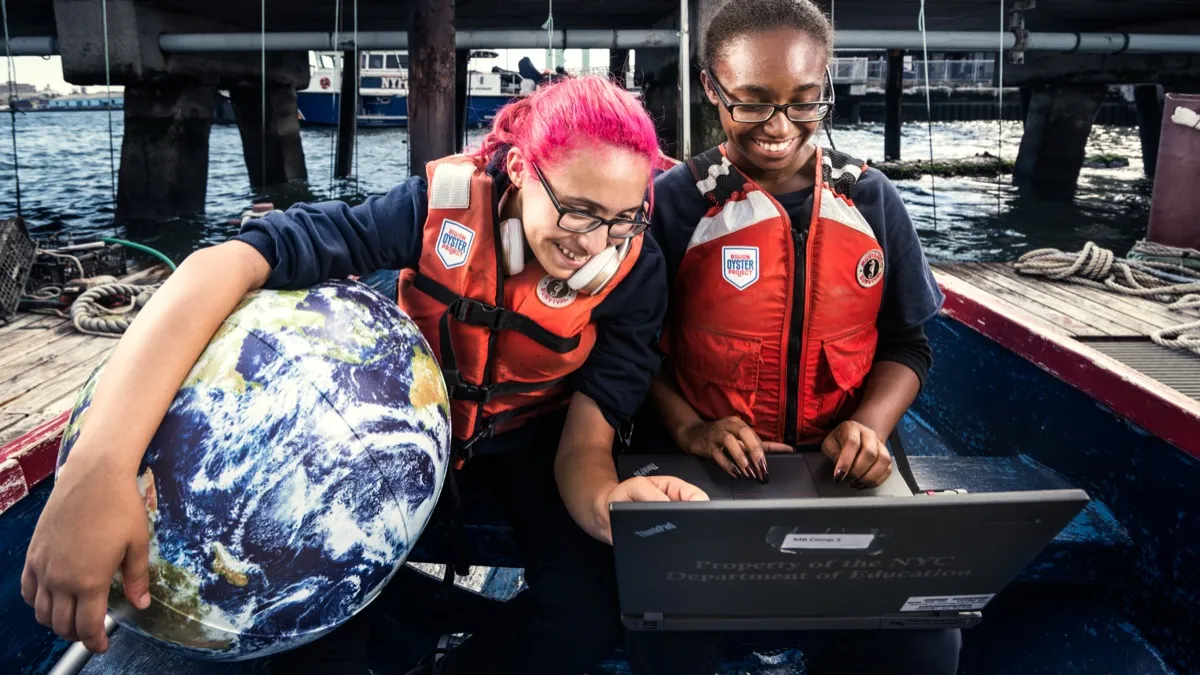
We believe students protect what they feel connected to. By bringing learning beyond the classroom and getting outside, we help young New Yorkers build a lifelong relationship with the New York Harbor.

CURRICULUM
Educators gain access to free lesson plans, activities, and tools that bring New York Harbor into the classroom while supporting state and national learning standards.
PROFESSIONAL LEARNING
Educators receive training, resources, and ongoing support to integrate place-based learning into their teaching while earning CTLE credit.
oyster research programs
Educators and students explore live oysters in their classroom and in the Harbor provide inquiry-based learning and hands-on opportunities.
school group experiences
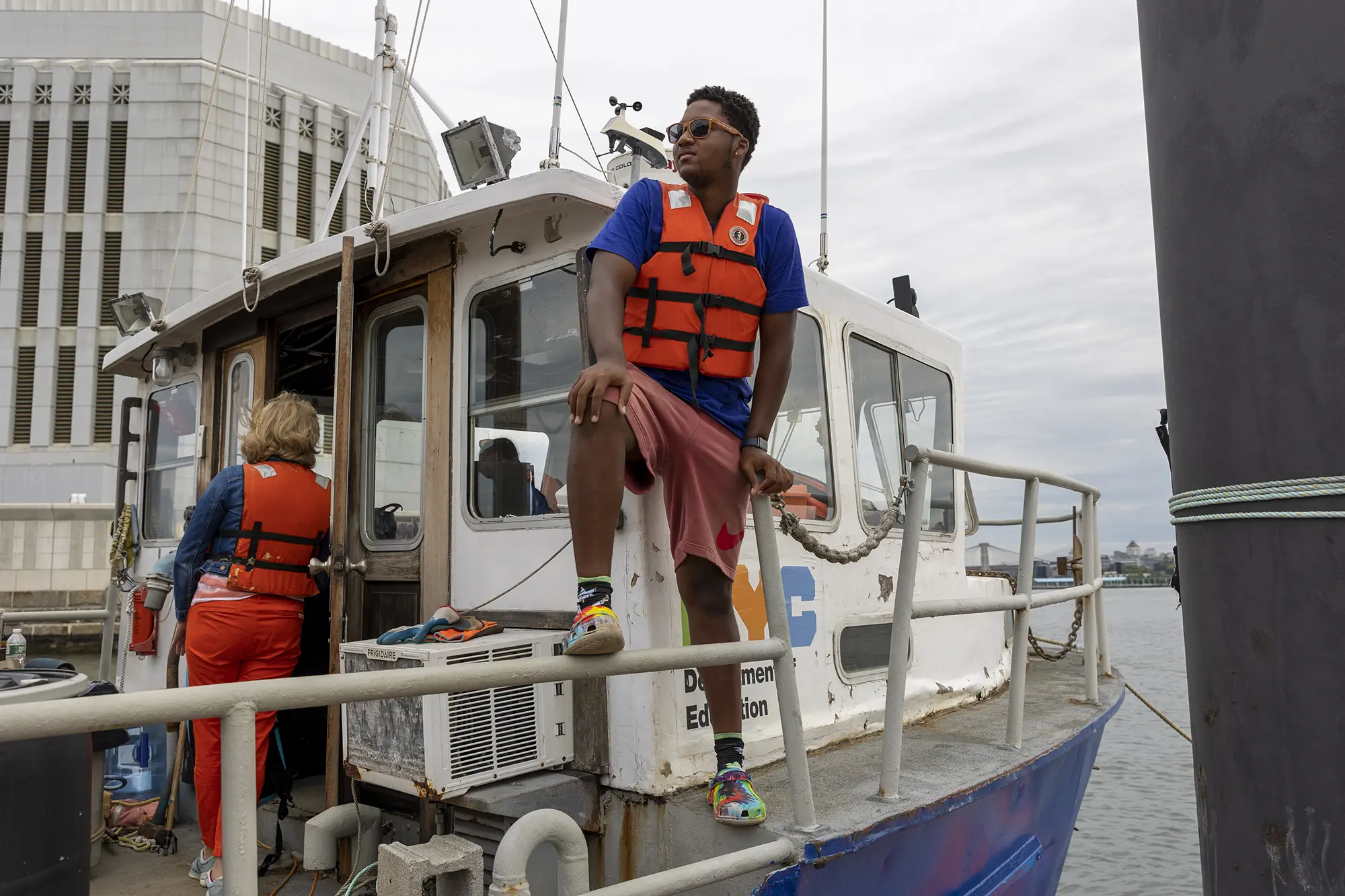
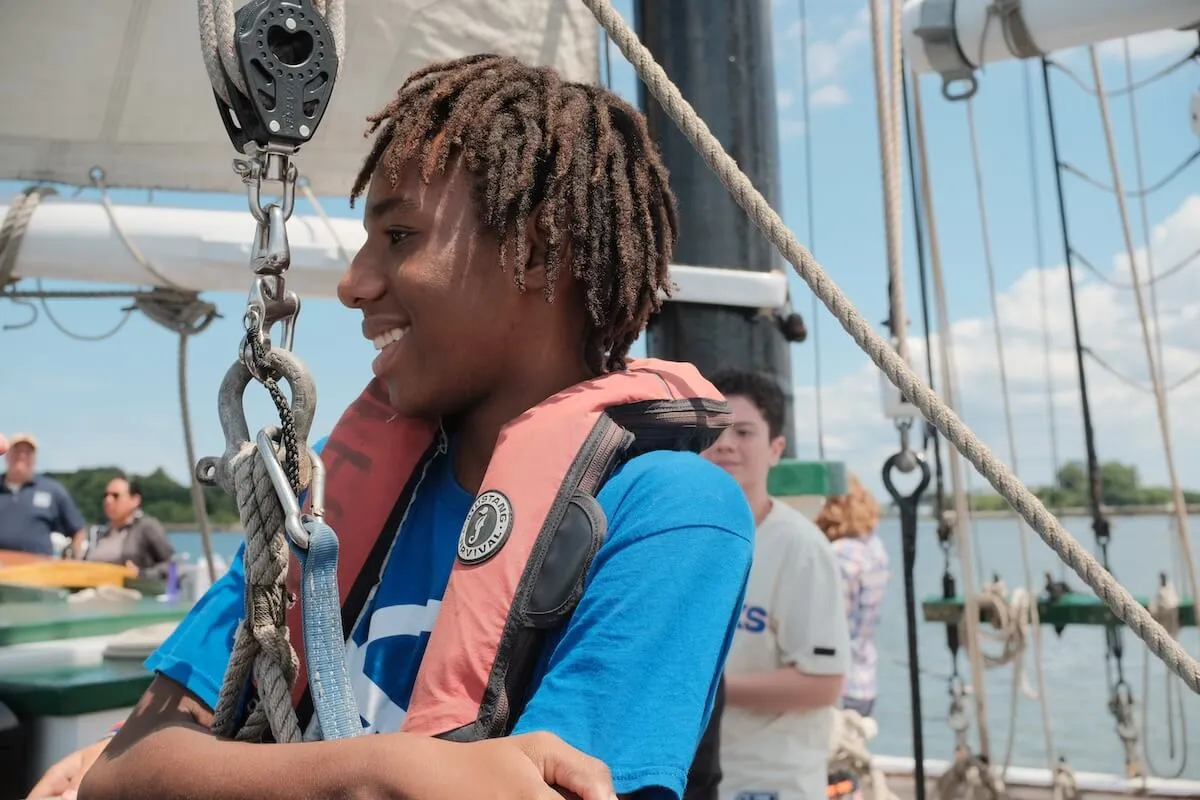
From waterfront expeditions and school visits to restoration activities and special events, students experience New York Harbor as a living ecosystem rather than a distant concept.
annual student symposium
Students share their firsthand investigations into the Harbor rooted in observation, inquiry, and discovery.
workforce development
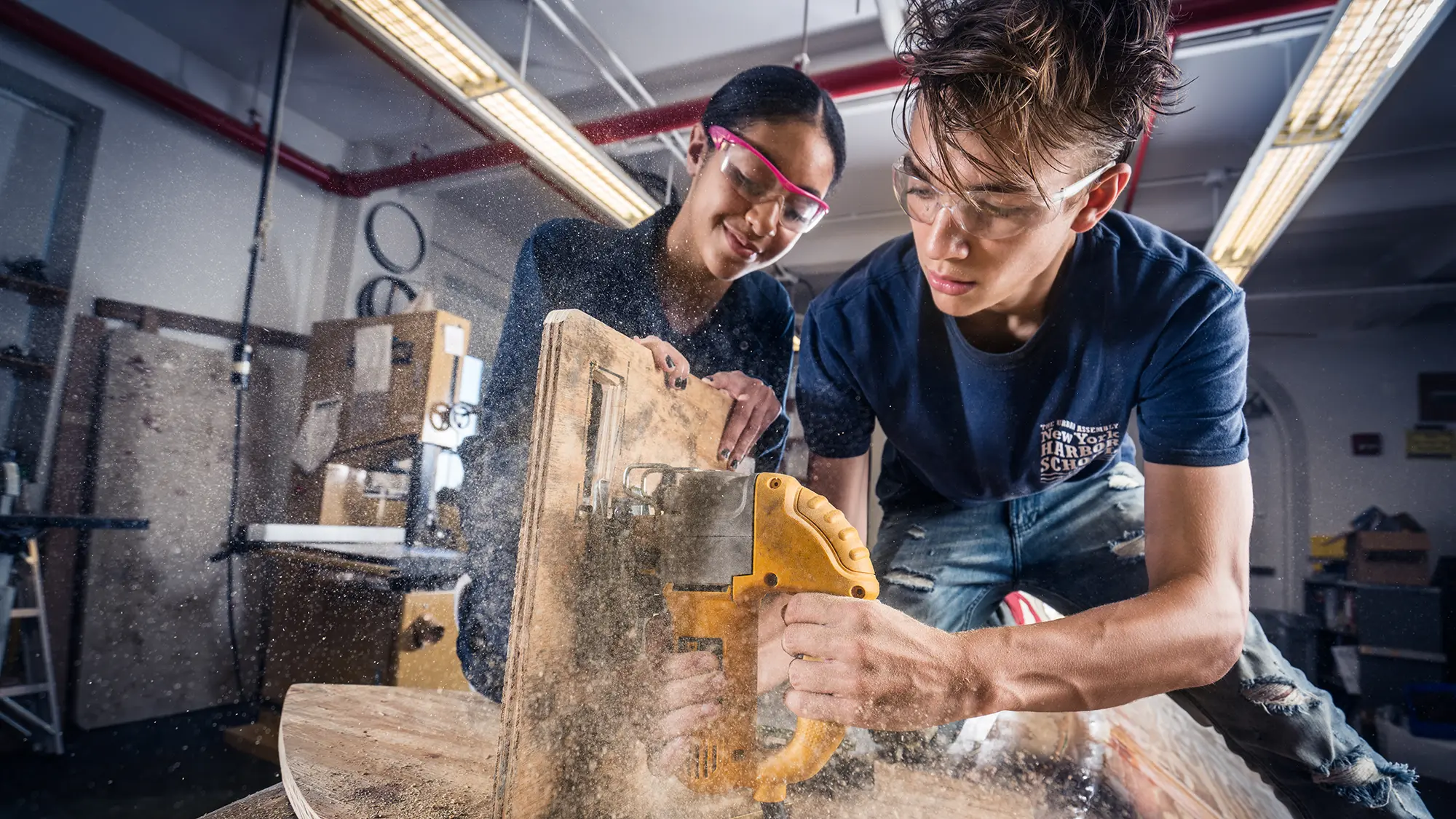
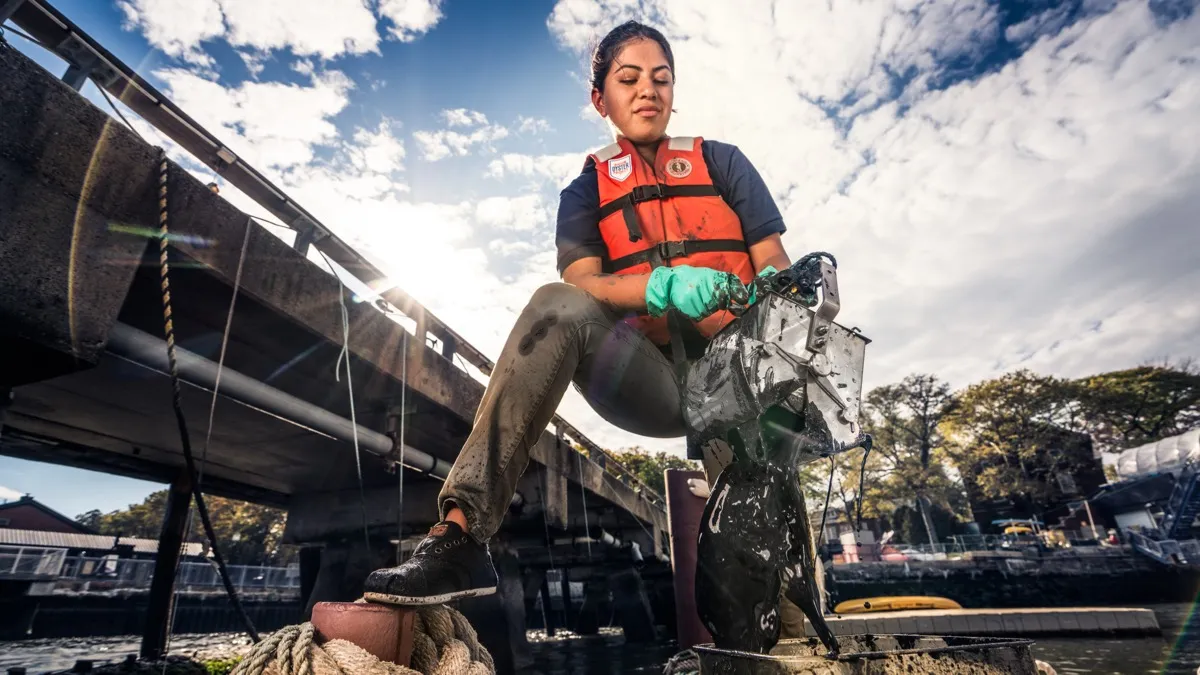
Students explore opportunities in marine science, restoration, aquaculture, environmental stewardship, and waterfront careers through hands-on experiences and mentorship.
curriculum
We’ve created 80+ classroom-tested, trusted lessons built around New York Harbor. These custom-crafted materials bring real harbor science into the classroom through hands-on, place-based learning.
Standalone Lessons
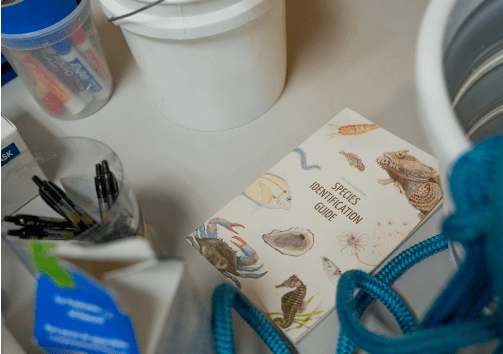
Quick-entry, single lessons designed for flexible classroom use. These ready-to-teach resources bring New York Harbor science into 1-3 class periods. Grade-level appropriate versions for K-12 classrooms support teachers in using oysters as a context for teaching common content.
Full Curriculum Units
Sequential, multi-lesson investigations designed for deeper STEM inquiry. Each three-dimensional, NGSS-aligned unit uses oysters or New York Harbor as the anchoring phenomenon, guiding students through hands-on exploration of multiple standards and concepts. Units align with NYC’s Science Scope and Sequence, and can be integrated into or taught in place of core curricula like Amplify.
professional learning
We provide training to support teachers’ professional growth. Teachers earn CTLE credit while building the skills to bring real-world science into their classrooms.
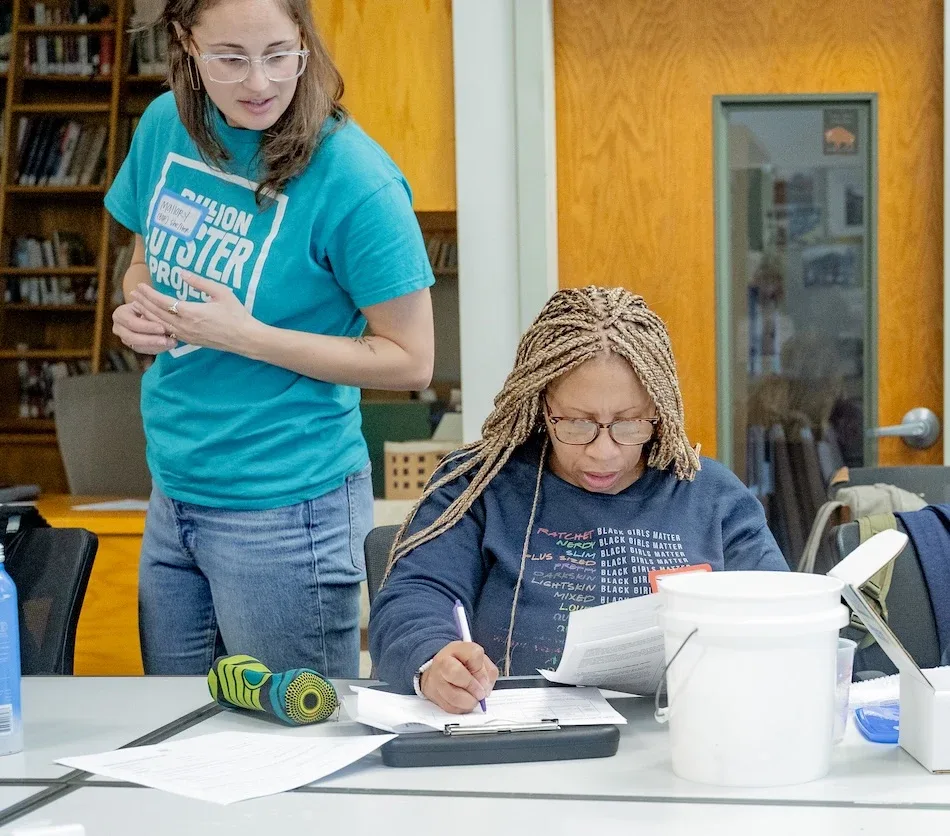
Introducing Educators to Billion Oyster Project
An informative session highlighting a variety of ways for teachers and students to get involved with Billion Oyster Project’s work.

Curriculum Workshops
A la carte, in-person or virtual, participatory events for teachers to dive into curricular resources, gain new content, support pedagogical development, and build connections with other Billion Oyster Project teachers.
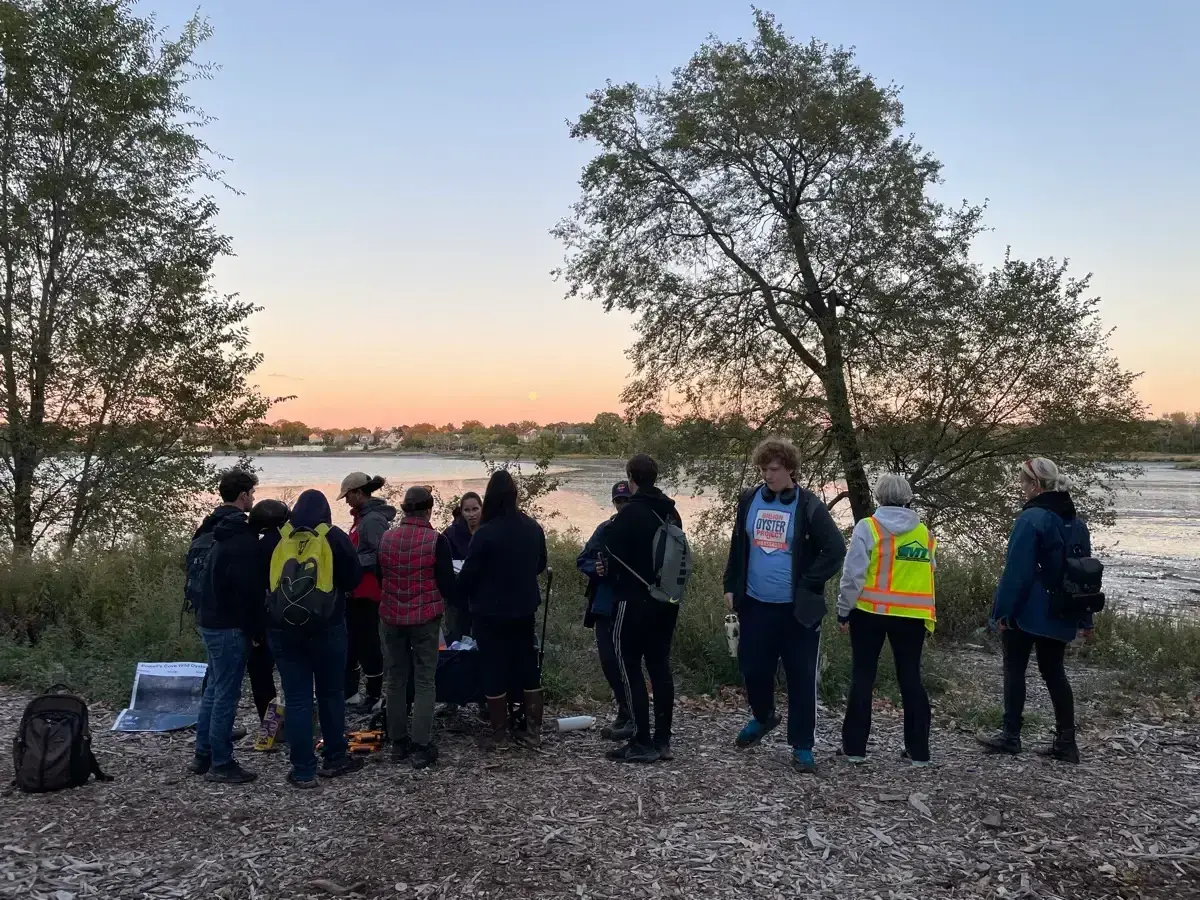
Teaching Outdoors
Teachers practice waterfront learning stations, learn field-teaching best practices, and explore Billion Oyster Project's outdoor lesson plans.
oyster research programs
We provide teachers and students the opportunity to get hands-on with live oysters both in the Harbor and in the classroom all while contributing to our restoration efforts.
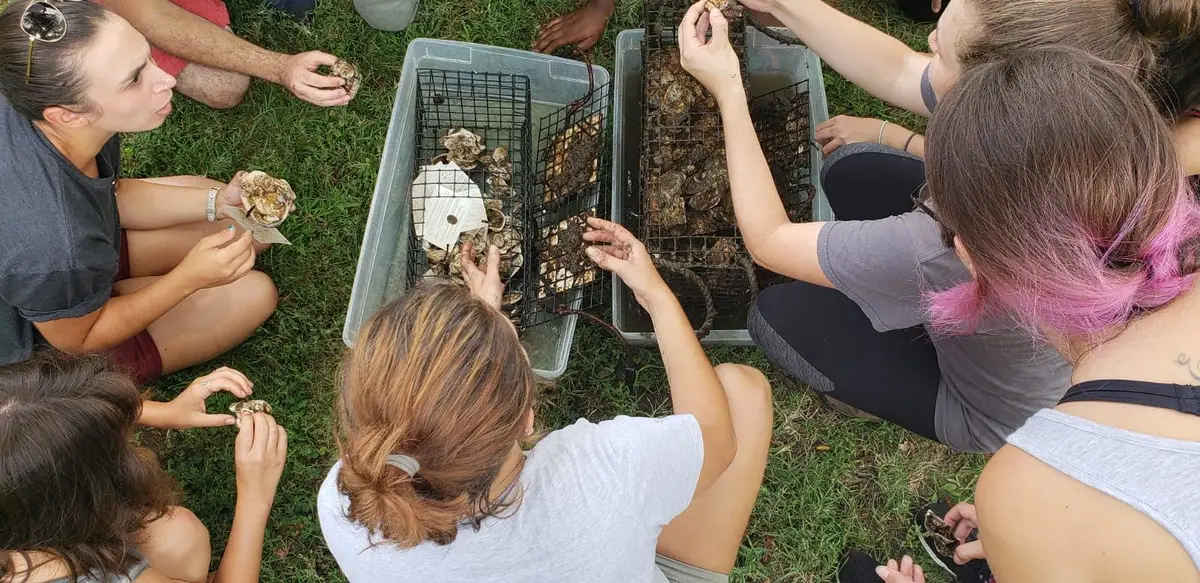
Oyster Research Station Program
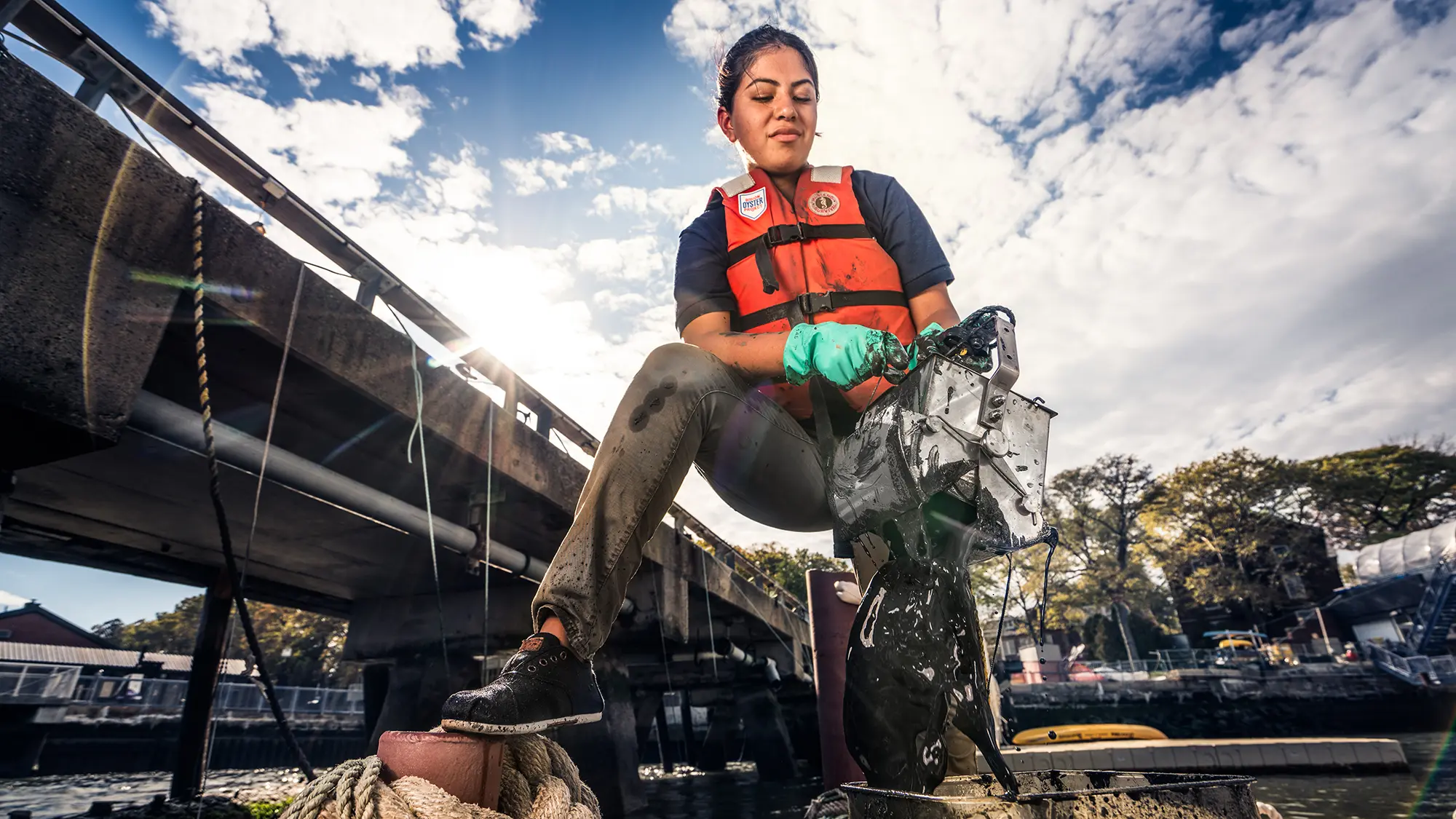
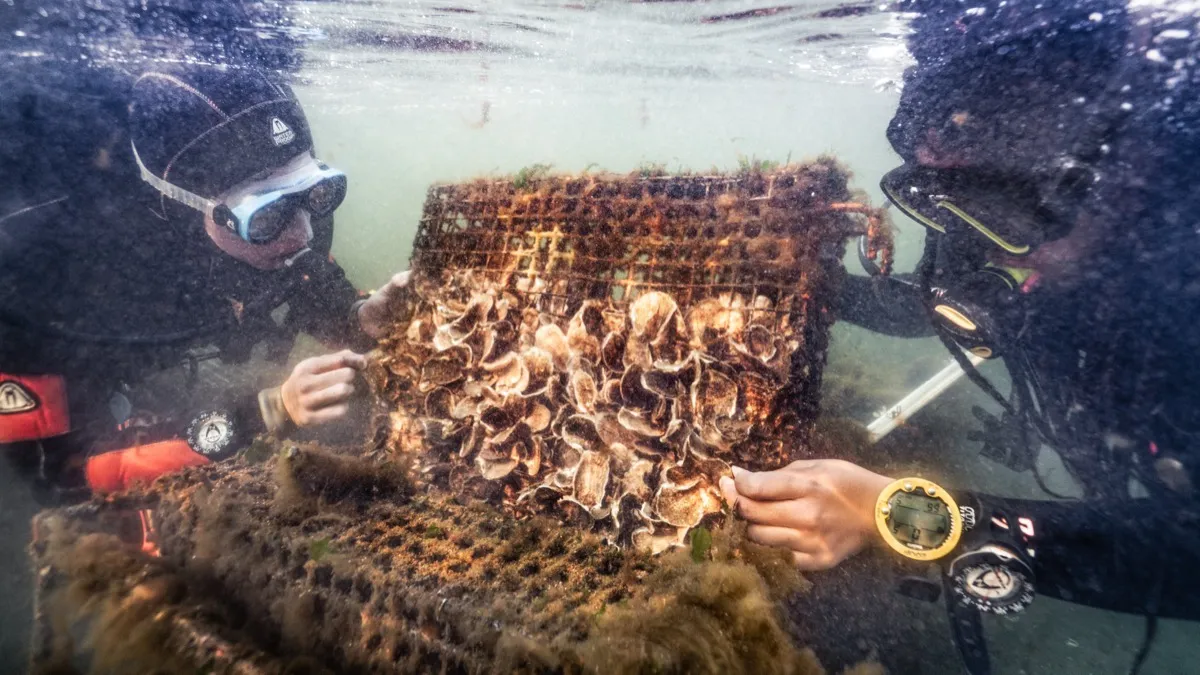
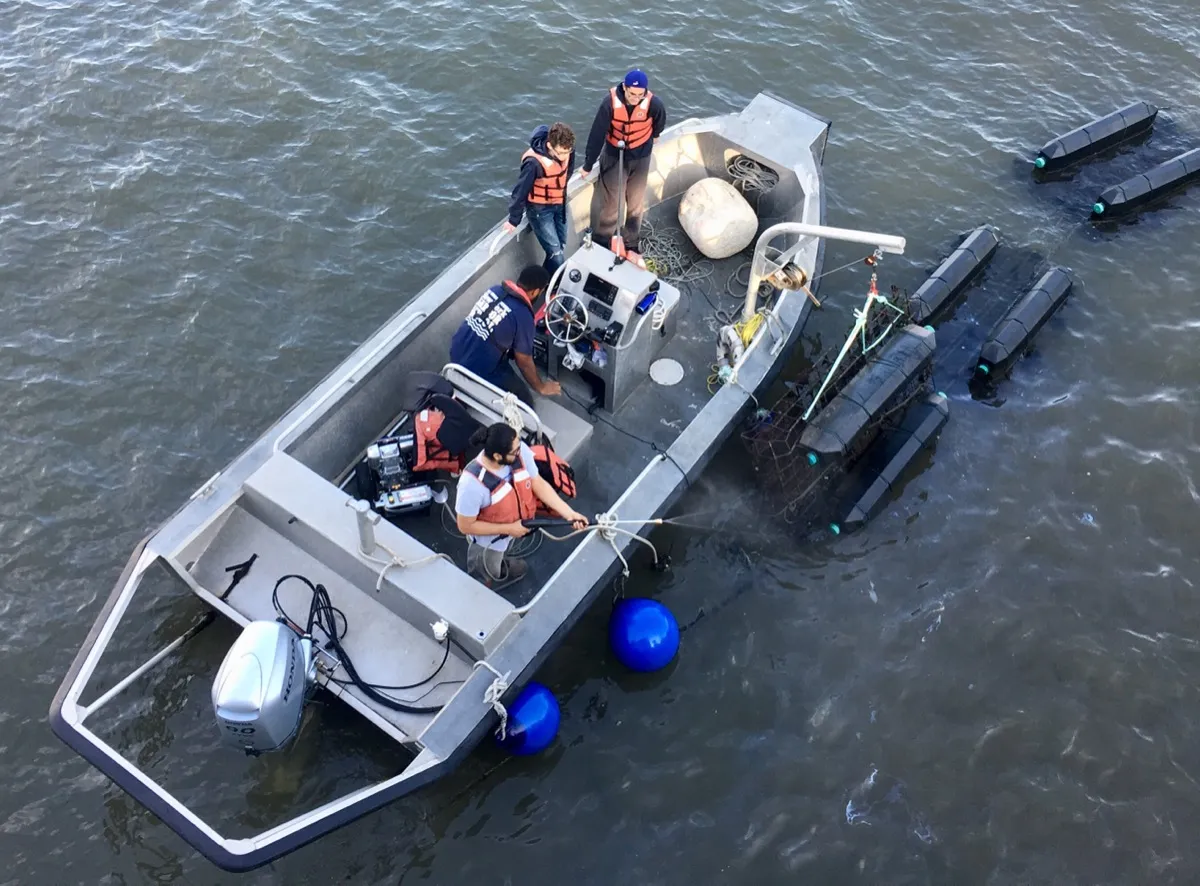
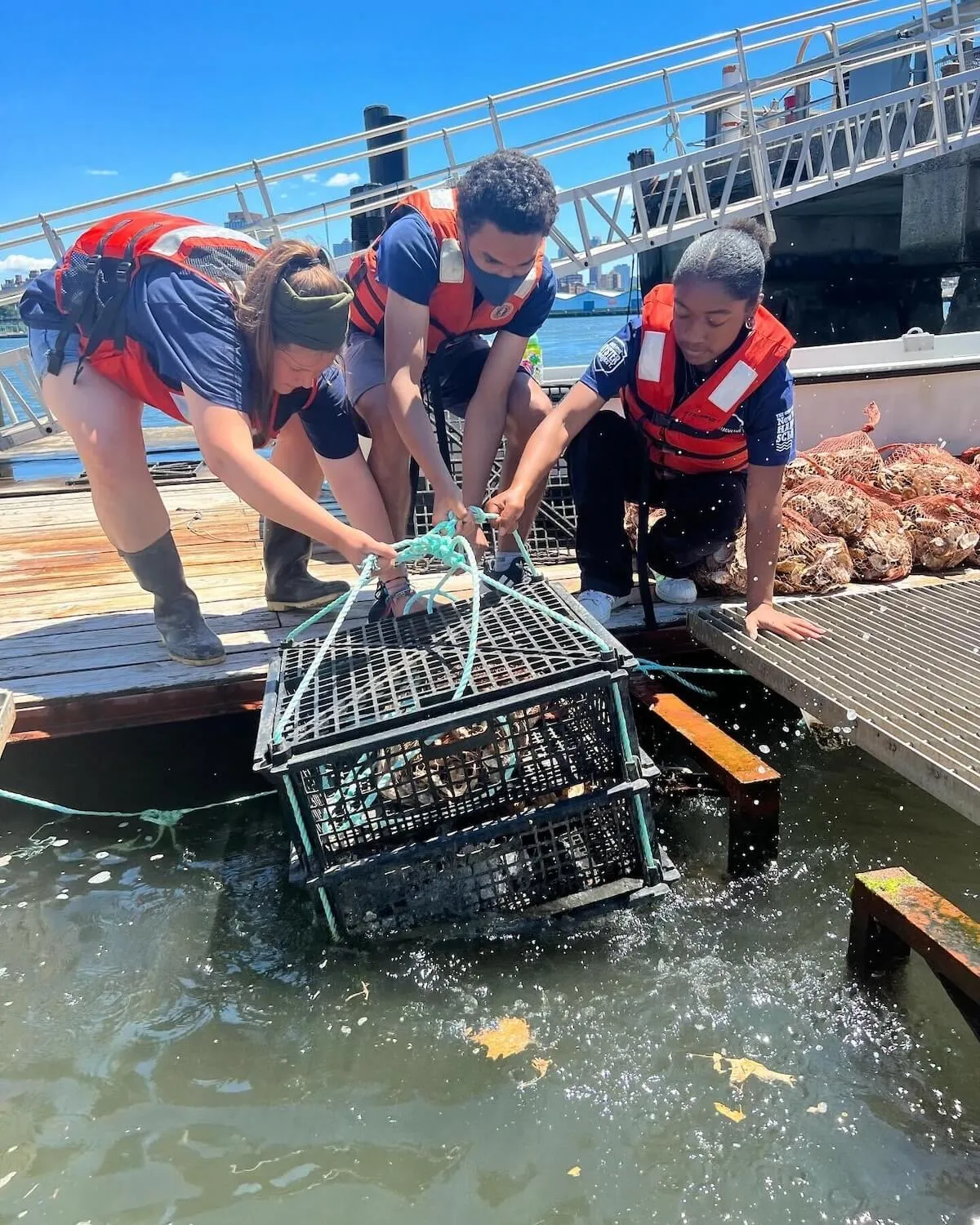
An ORS is a small underwater structure installed at permitted sites across New York Harbor. Each station holds oysters and the marine life that naturally settles among them. Students and trained teachers monitor oyster growth, biodiversity, and ecosystem health, contributing data directly to our restoration efforts.
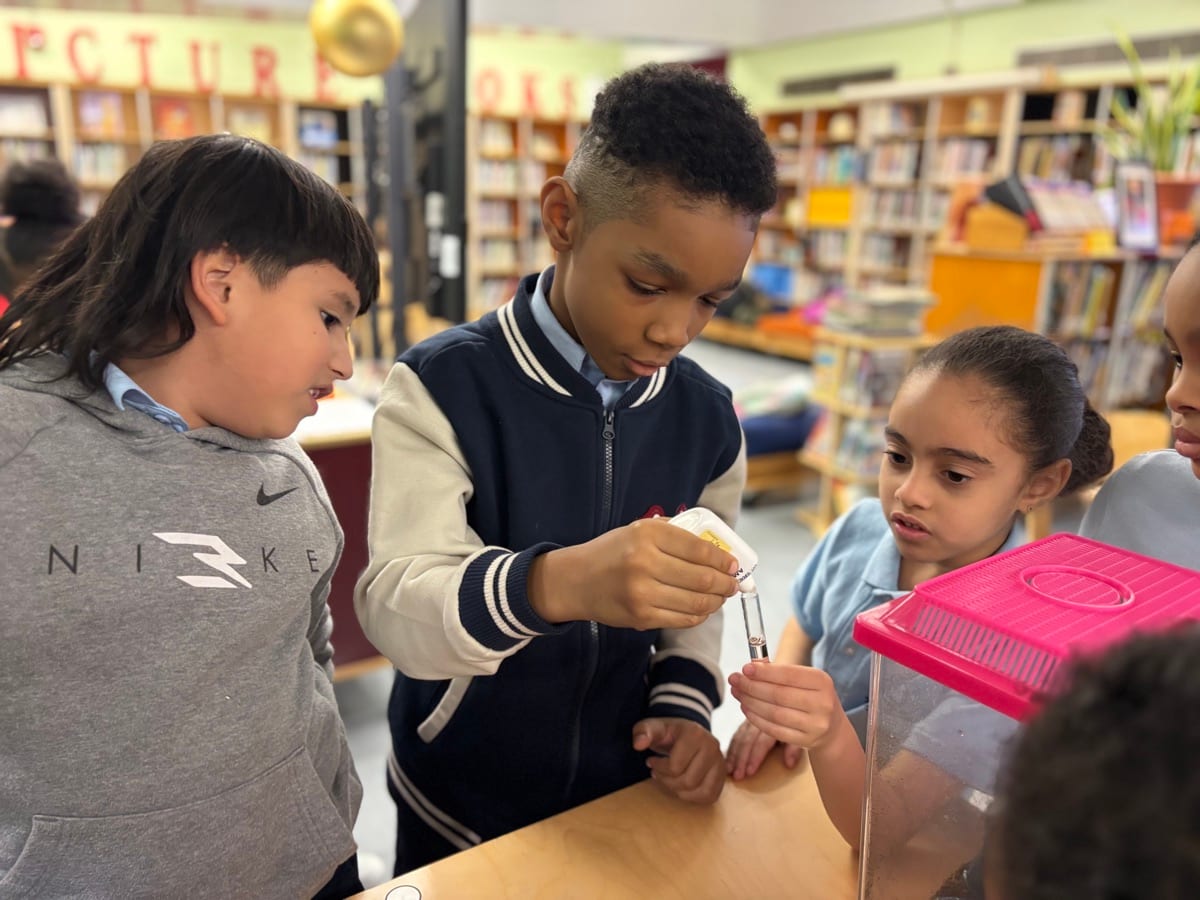
Oyster Research Tank Program
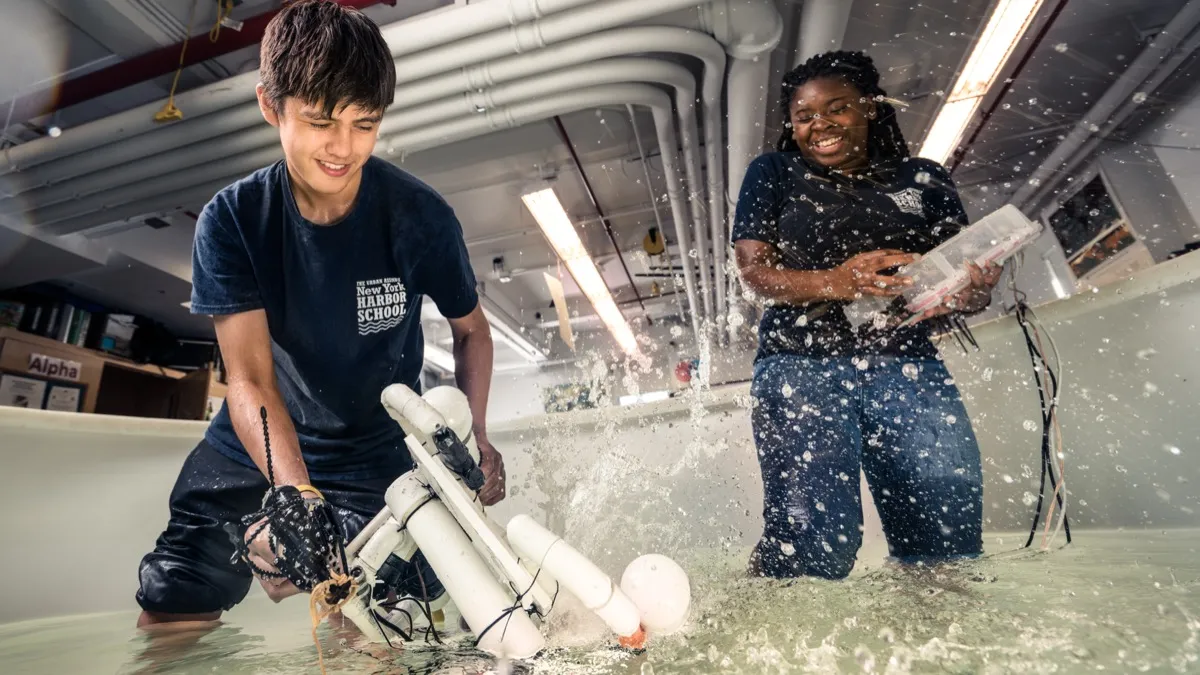
The ORT program allows teachers and students to set up and monitor a live oyster tank directly in their classroom. Students track water quality indicators such as ammonia and dissolved oxygen, study oyster growth and mortality, and conduct real scientific inquiry.
Want to JOIN THe OYSTER TEACHER COLLECTIVE?
Join a free three-year learning journey and a lifetime community of practice for NYC teachers.
school group experiences

outdoors
Field Expeditions
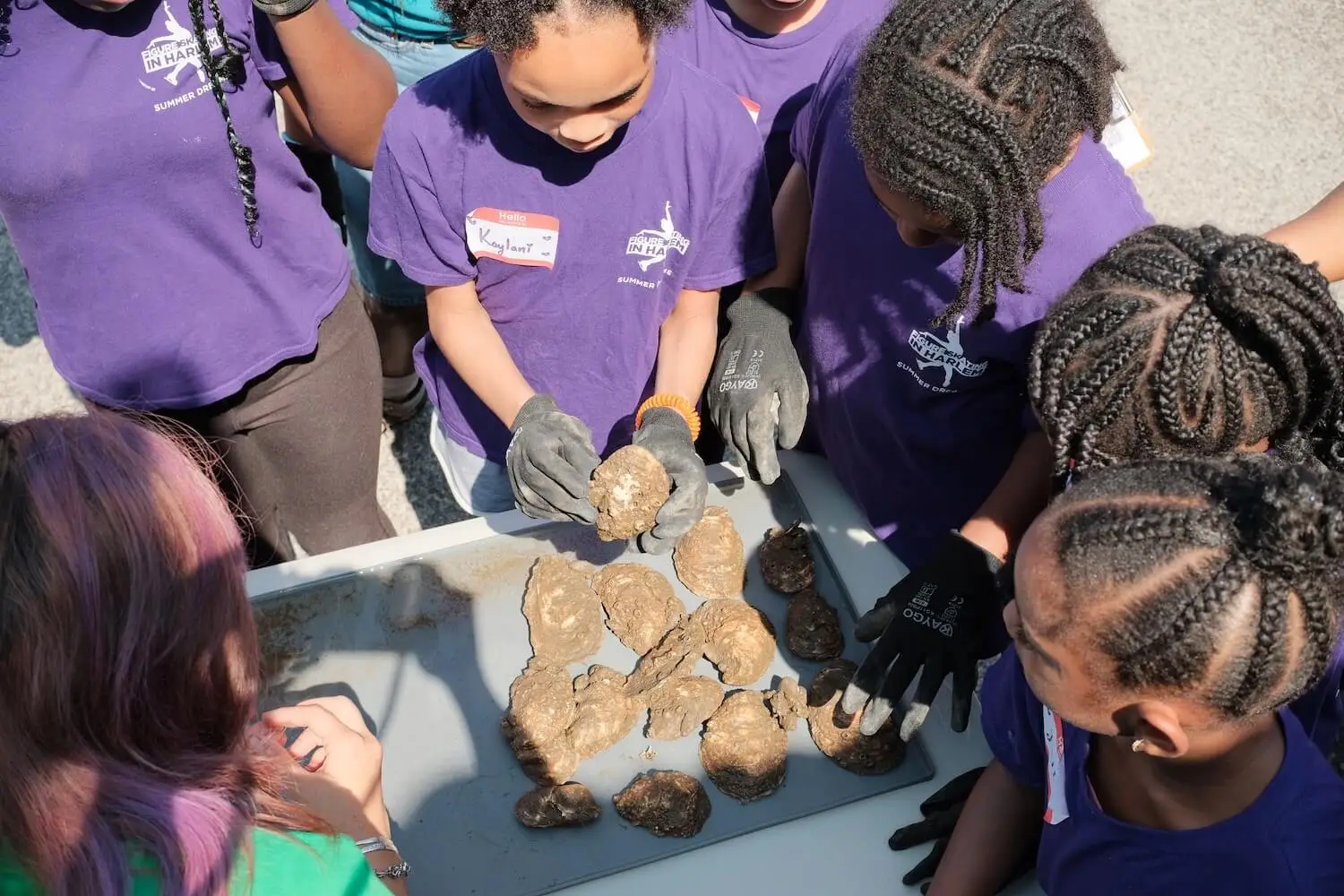
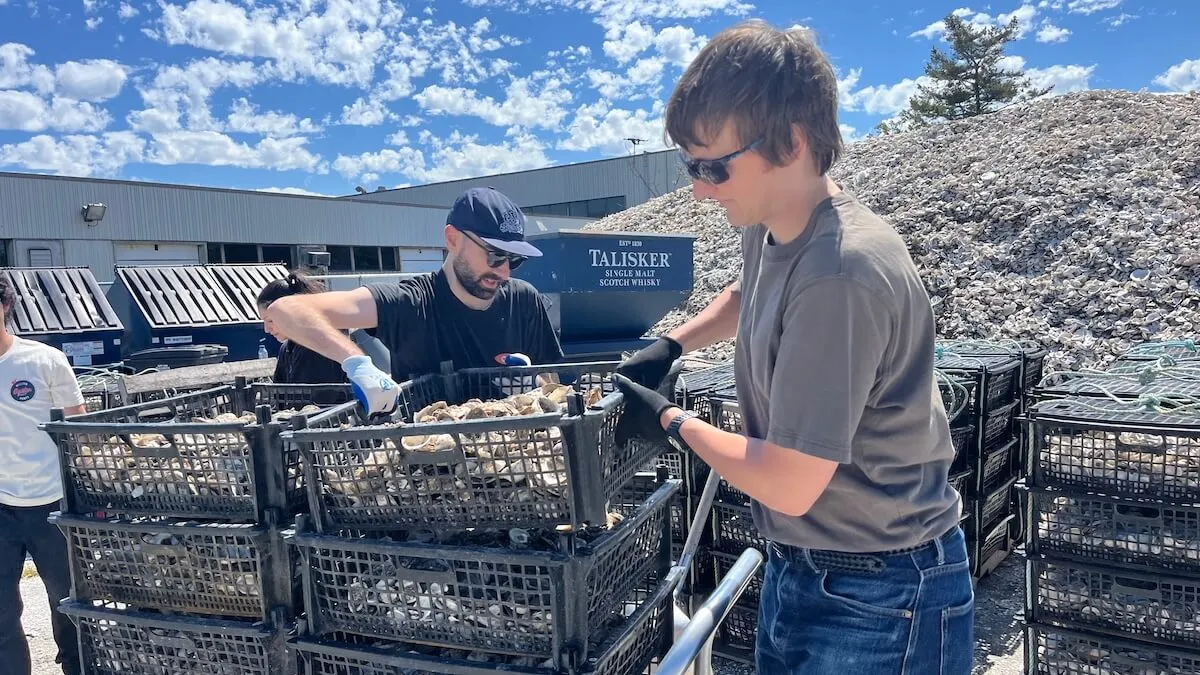
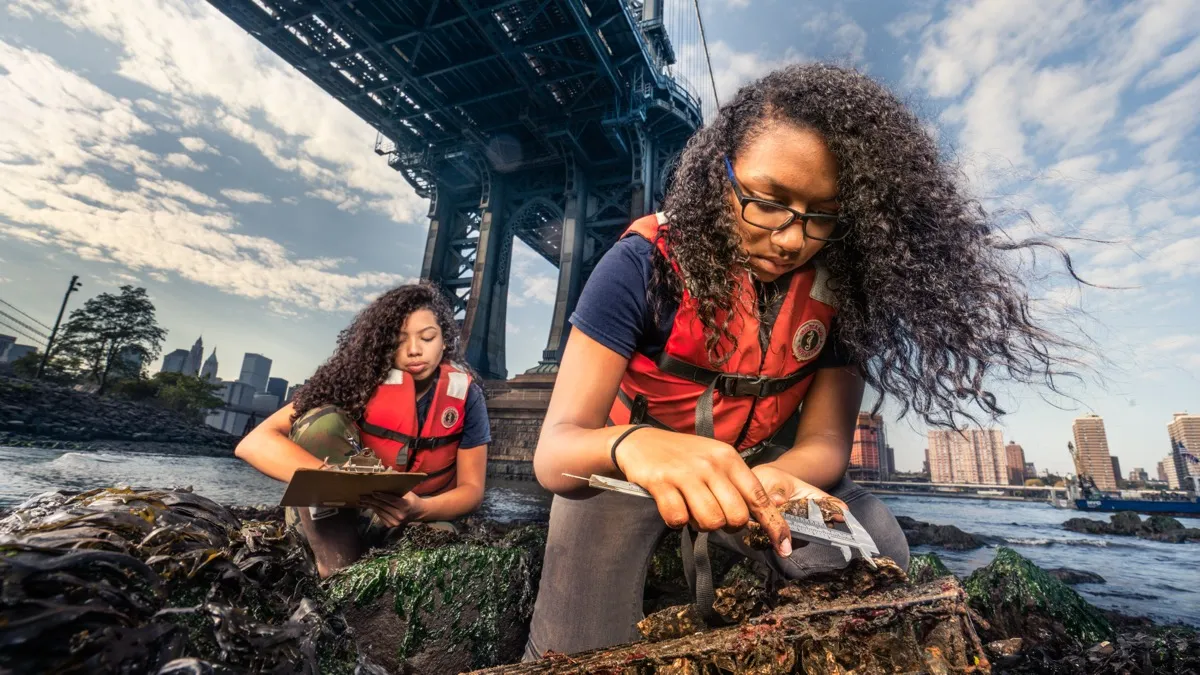
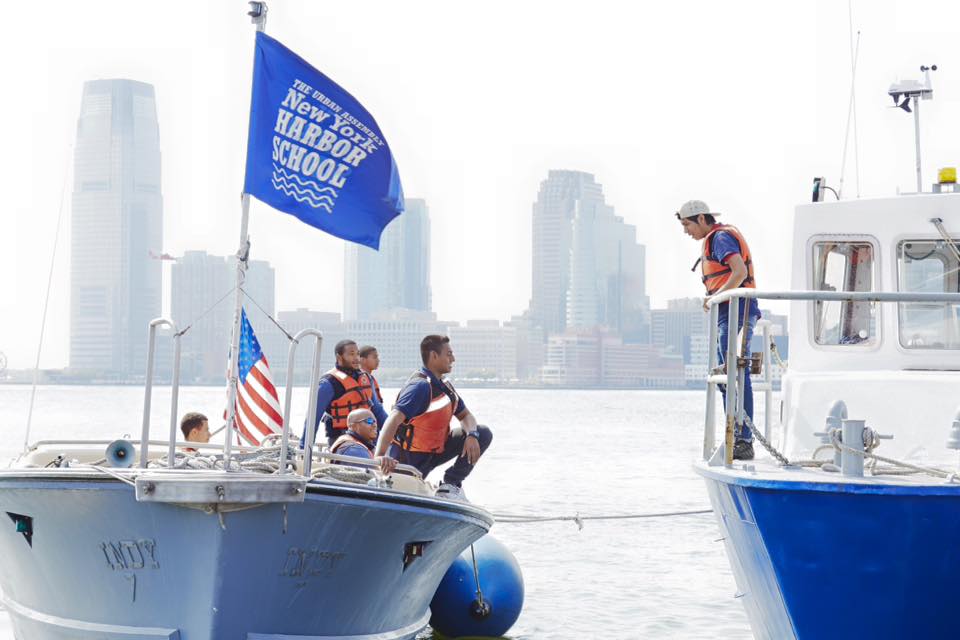
Through guided experiences along the water, students can collect data, handle real materials, and take part in active restoration work. These programs are co-planned to meet the needs of any group of students.
indoors
Classroom Workshops
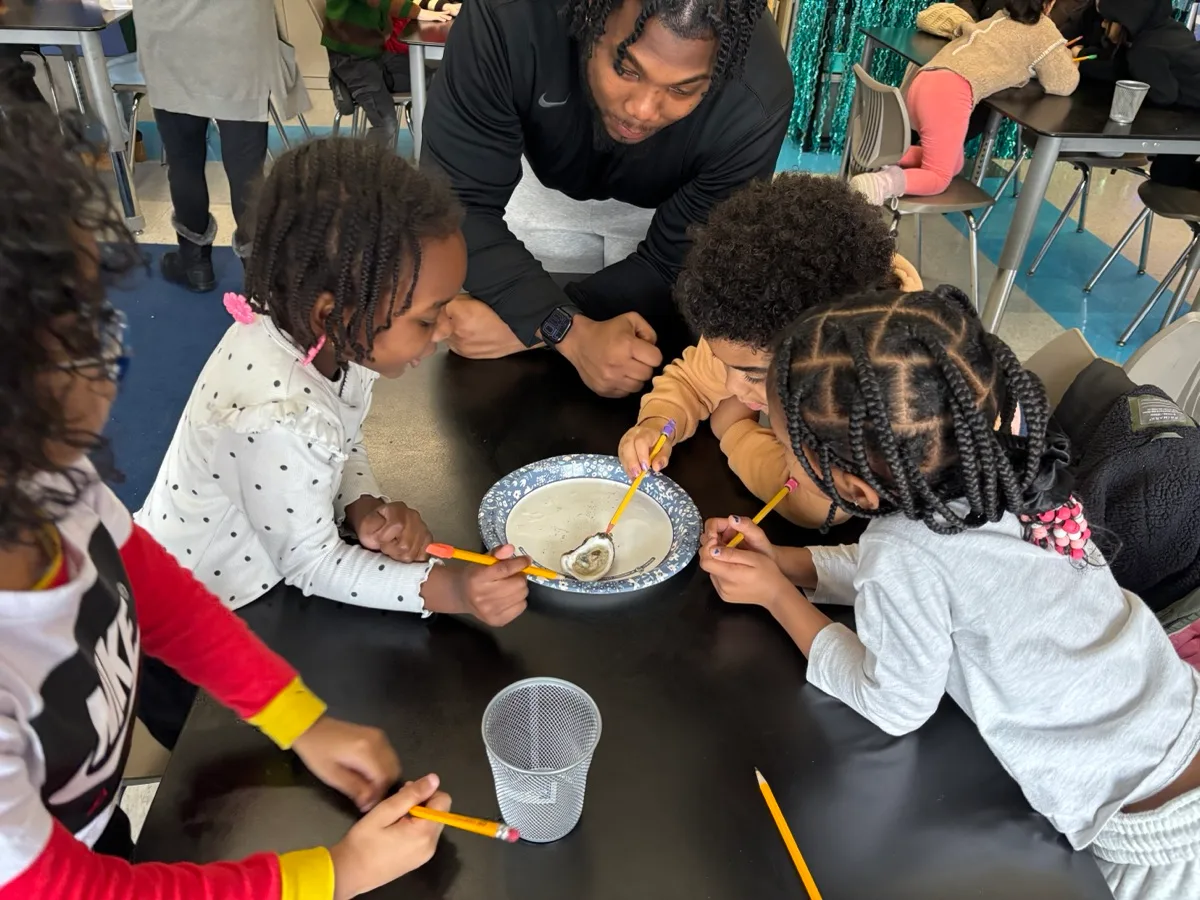
Bringing the harbor into the classroom, students connect oysters to what they are learning and explore how oysters strengthen New York Harbor. These NGSS-aligned, hands-on lessons can be modified to meet the needs of any classroom.
indoors
New York Harbor School Tours
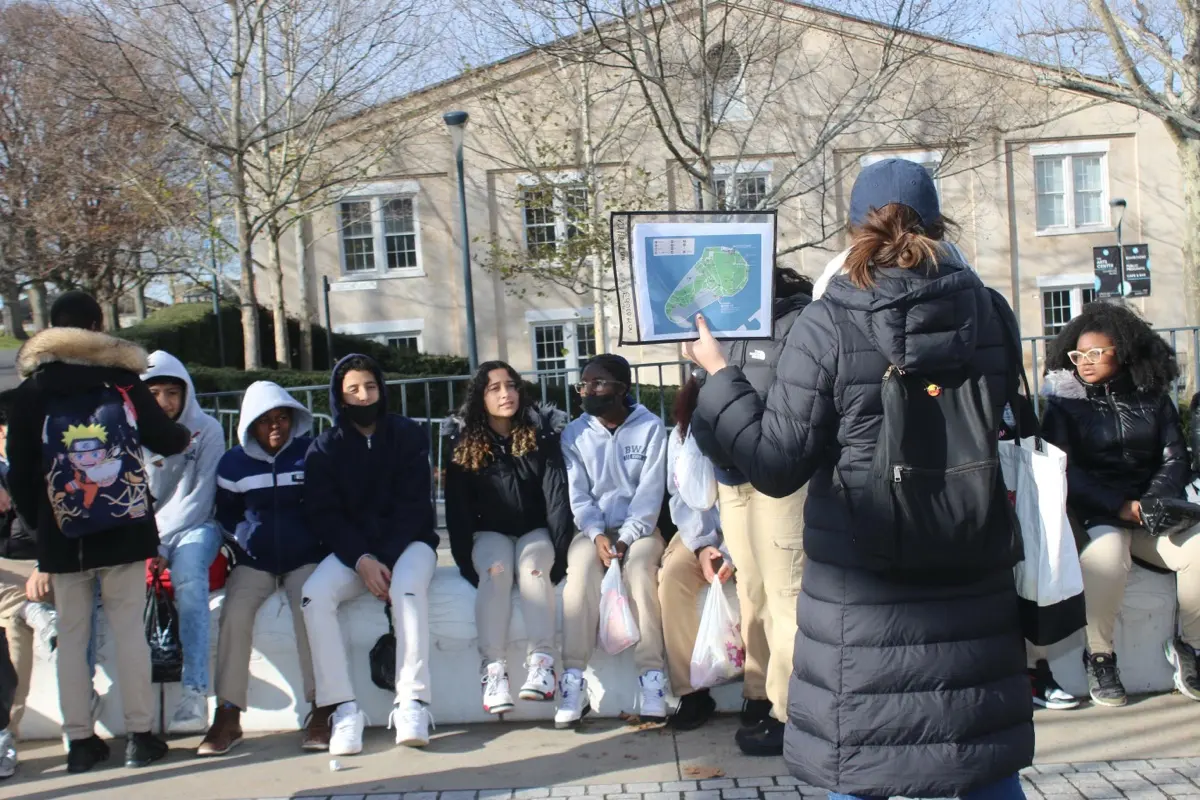
By visiting the high school on Governors Island, students can see how others are engaging in long-term, career-connected learning tied to marine science and waterfront industries, and learn how to apply.

Meeting all the wonderful people at BOP. I enjoyed being outside, helping with their work, and doing field work!
annual student symposium
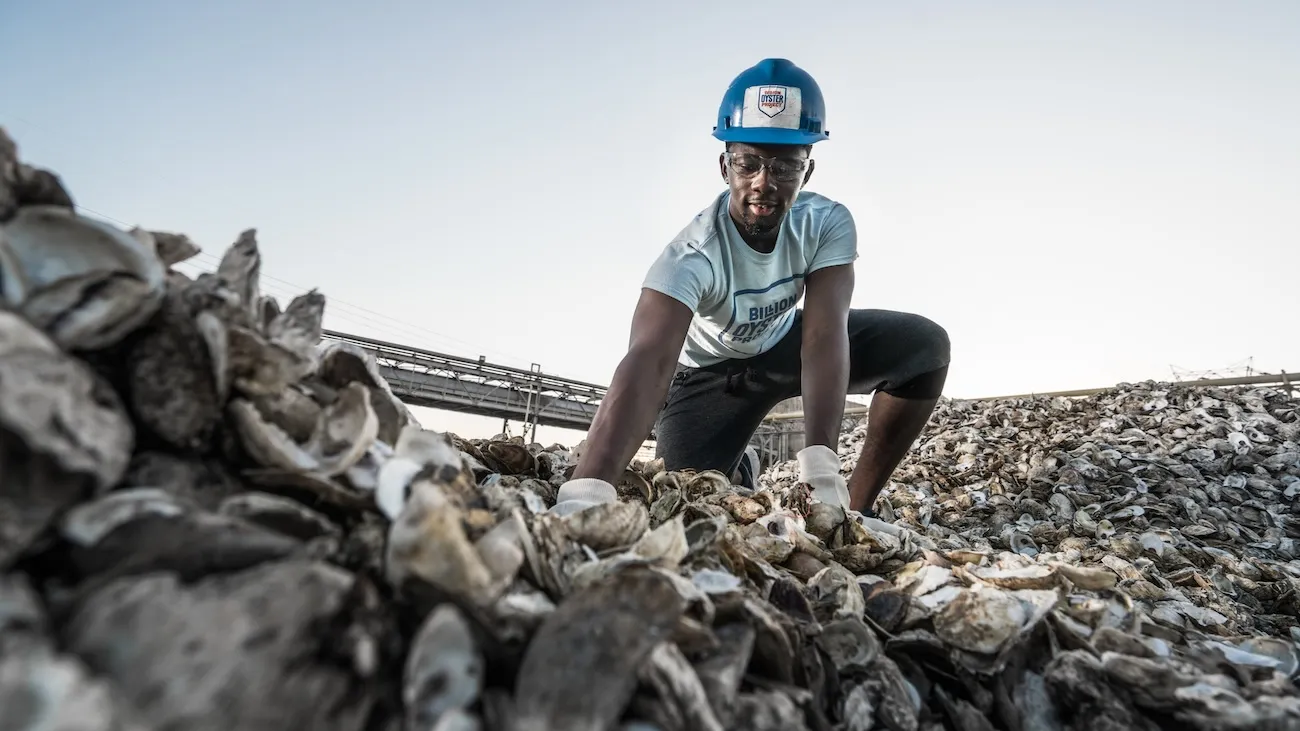
We celebrate teachers and students and give students the opportunity to share their inquiry-based projects with our ever-growing community of supportive and enthusiastic partners.


%20copy%20(1).webp)
.webp)

.webp)
.jpg)
.webp)
%20resized.webp)
.webp)