skip to main content
✦
Don't forget to complete your donation
✦
complete your donation
Your saved curriculum
✕
Placeholder profile picture with a blue fish illustration
Curriculum name
SaveRemove
Nothing saved yet — tap the bookmark on any curriculum to keep it here.

There's newer information on this page.

Refresh×
Researcher on a boat holds up a small jar of harbor water, city skyline blurred behind

we're looking toward the future

Photo: One million oysters in a jar.

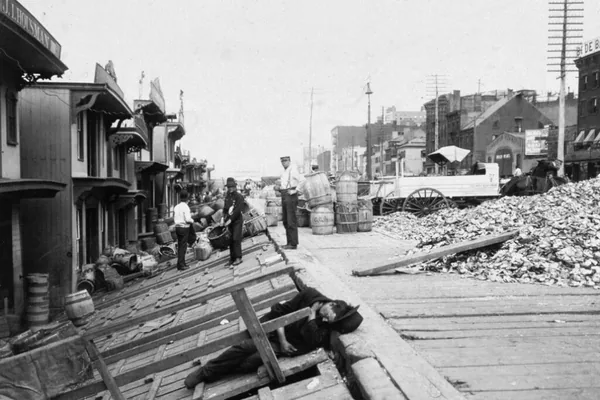
For decades, New York Harbor was written off as too polluted and too far gone to fix.

We never accepted that. We were built on the idea that restoration would require new ways of working and thinking in a city defined by its advancements in innovation and technology. 

Aerial view of Lower Manhattan and New York Harbor on an overcast day
Worker in a life vest examines a small sample container aboard a restoration barge

Modern-Day Innovators of New York Harbor

We are rebuilding the foundation of the estuarine ecosystem and advocating for access to the New York Harbor. That means designing reefs that can function in a thriving urban estuary and generating the data needed to guide it forward.

Innovation as Infrastructure

Innovation allows us to grow from restoring millions of oysters to hundreds of millions of oysters per year. It’s the monitoring methods and technologies that show us what’s working and what’s not. We are designing a model other cities can follow.

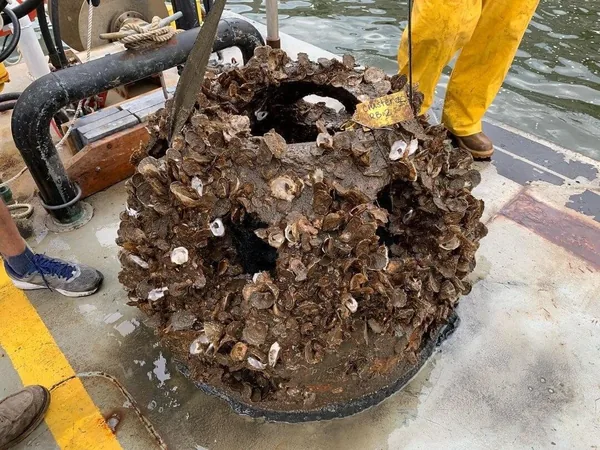
Crew hoists two concrete reef structures above a barge during deployment preparations

innovating is the key to scale

How we're getting to one billion oysters by 2030.

Restoring one billion oysters by 2030 requires understanding how New York Harbor functions as a connected ecosystem and building the science, infrastructure, and long-term planning needed to restore it at scale. When we started, many questioned whether oyster restoration was even possible. Today, we know oysters can survive and reproduce throughout the Harbor.

Our focus has shifted from individual restoration sites to a harbor-wide strategy designed around reef connectivity, adaptive management, and long-term ecosystem recovery. Working alongside leading scientific and restoration partners, we are developing the data and tools needed to guide where reefs are built, how they interact, and what it will take to create a self-sustaining Harbor for future generations.

Sincerely,
Handwritten signature
Carolyn Khoury
Director of Restoration
upcoming
expeditions
upcoming
Black-and-white line drawing of a seahorse

Upcoming Expeditions

In 2026, we will launch a series of expeditions exploring the past, present, and future of New York Harbor.
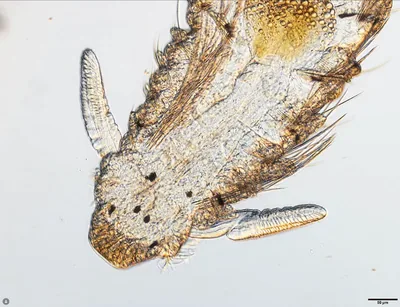
Oyster larvae seen through a microscope with a measuring scale
Larval transport modeling and reef connectivity
Expeditions to show how oyster larval behavior and estuarine hydrodynamics interact to connect potential restoration sites to one another.
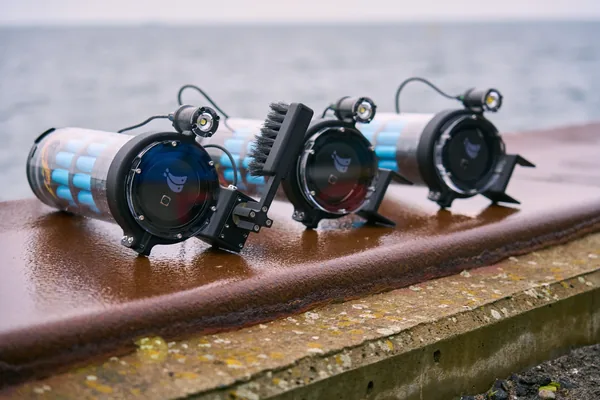
Anemo Robotics
Expeditions to deploy underwater cameras and monitoring systems to document species and use patterns associated with restored reef sites.
Learn more
➞
Greater yellowlegs standing in shallow water
American Bird Conservancy and New York Bird Alliance
Expeditions to monitor bird data so we can understand activity above the water. Currently, ABC has monitored over 130 bird species using the Harbor.
Learn more
➞
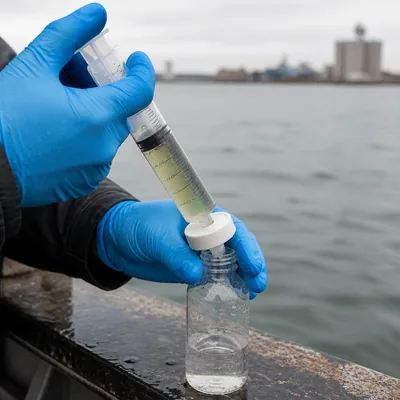
eDNA SAMPLING
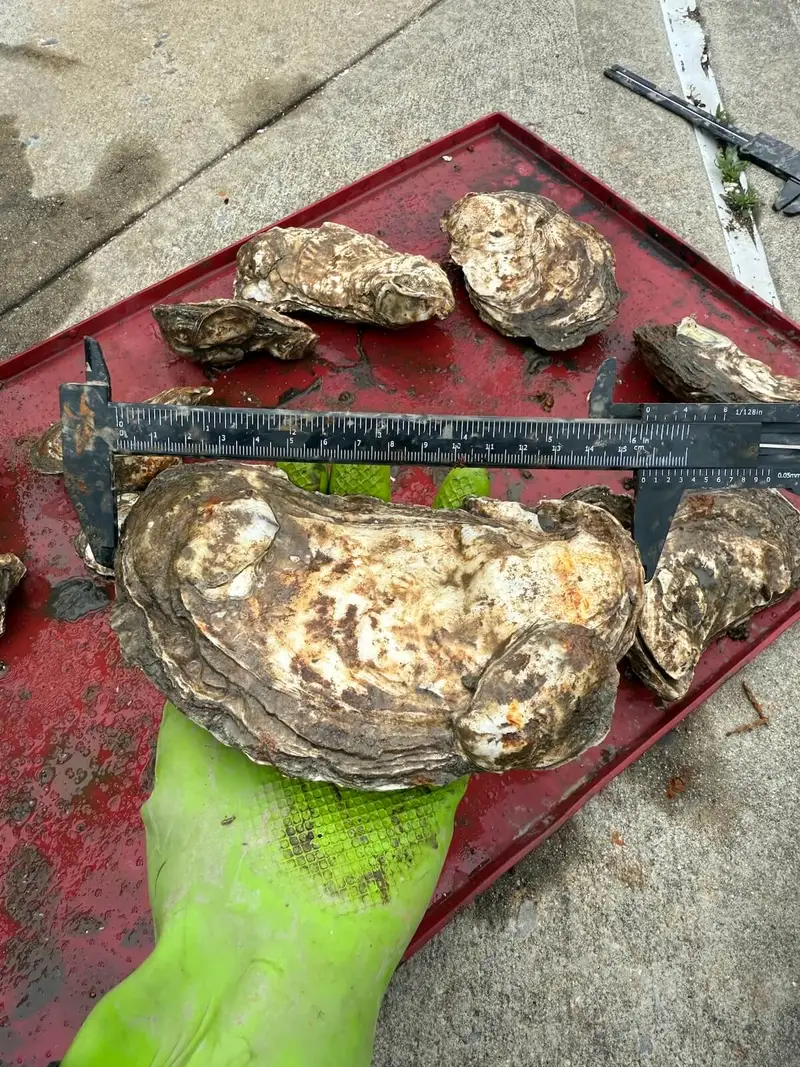
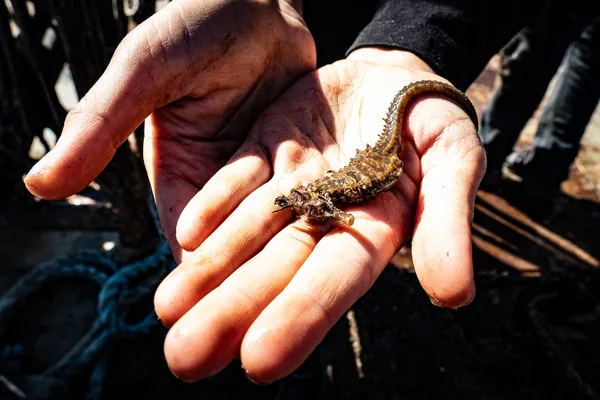
Expeditions to explore how we measure biodiversity across the Harbor. We have documented over 50 species on our restoration sites.
Vycarb
Expeditions to evaluate how oyster restoration may contribute to carbon removal in emerging markets, focused on climate mitigation in New York Harbor.
Learn more
➞
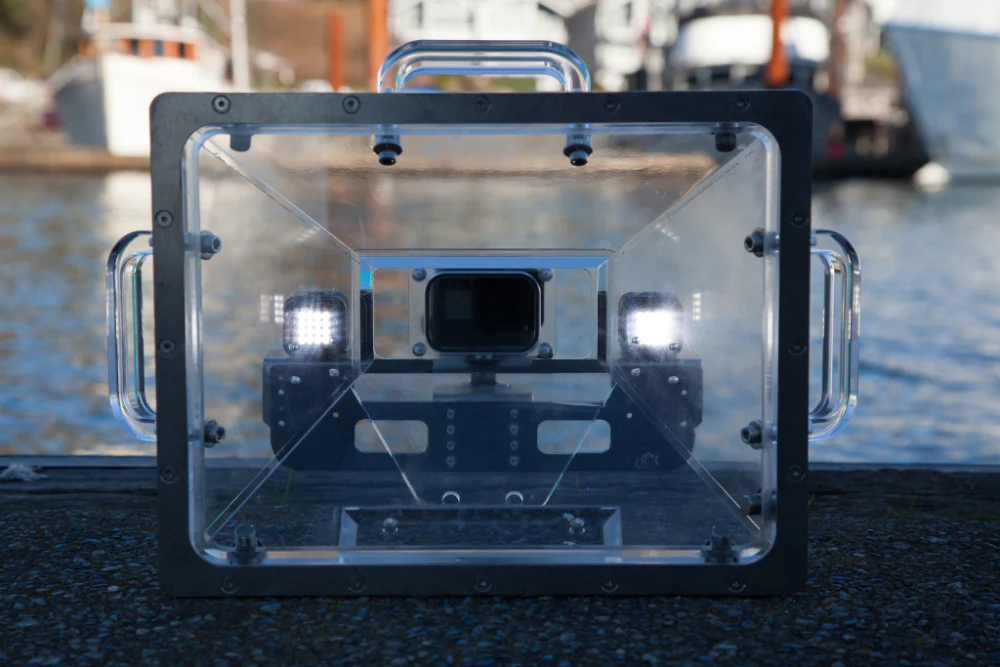
Underwater camera in a clear waterproof housing on a dock
Clearwater Box
Capturing underwater footage and facilitate field observations and data collection, providing more opportunities for non-destructive sampling post-restoration.
Phytoplankton Study
Alongside National Geographic Explorer, Gabrielle Corradino, we'll analyze Hudson River plankton communities to reveal the nutritional value of oyster food sources, giving us its first-ever window into oyster diet at restoration sites.
Learn more
➞