Your saved curriculum
✕
Curriculum name
SaveRemove
Nothing saved yet — tap the bookmark on any curriculum to keep it here.
Aww shucks!
Student Symposium
Wednesday, July 8, 2026
·
Battery Maritime Building
EVENT OVER

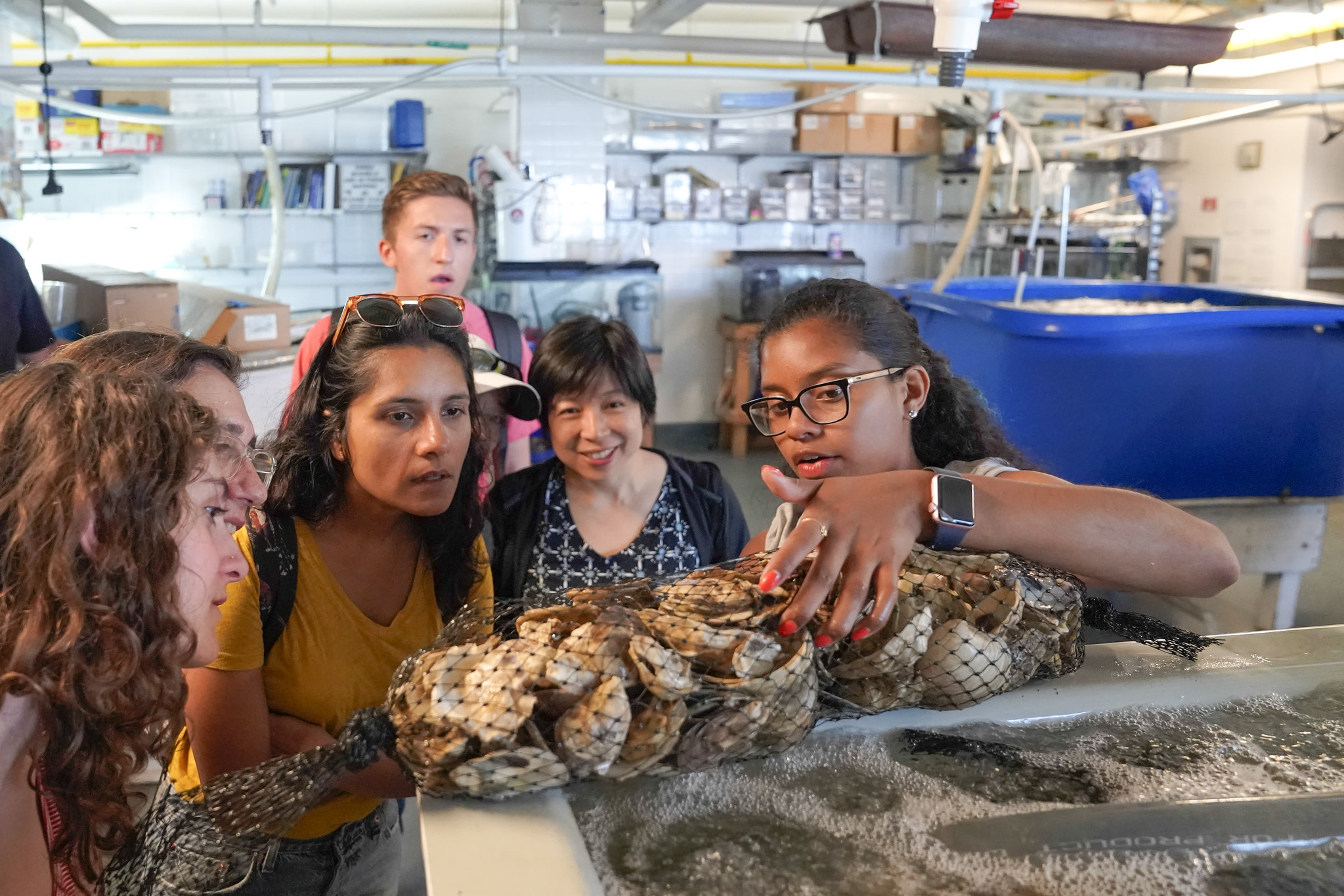
The 2026 Student Symposium exceeded every expectation. With 163 students, 24 educators, and a dozen marine science professionals in attendance, it was our largest gathering yet — and the energy was electric from the moment students stepped off the ferry at Slip 7.
The morning kicked off with keynote remarks from Dr. Ellen Prager, marine scientist and author, who challenged students to think about oyster restoration not just as ecology, but as urban infrastructure. "These reefs are New York's first line of defense," she told the crowd. "And you're the engineers."
The highlight was undeniably the poster session. 22 student teams presented original research spanning water quality monitoring, biodiversity surveys, reef construction techniques, and community engagement strategies. Three teams received "Outstanding Research" recognition from the Stony Brook review panel:
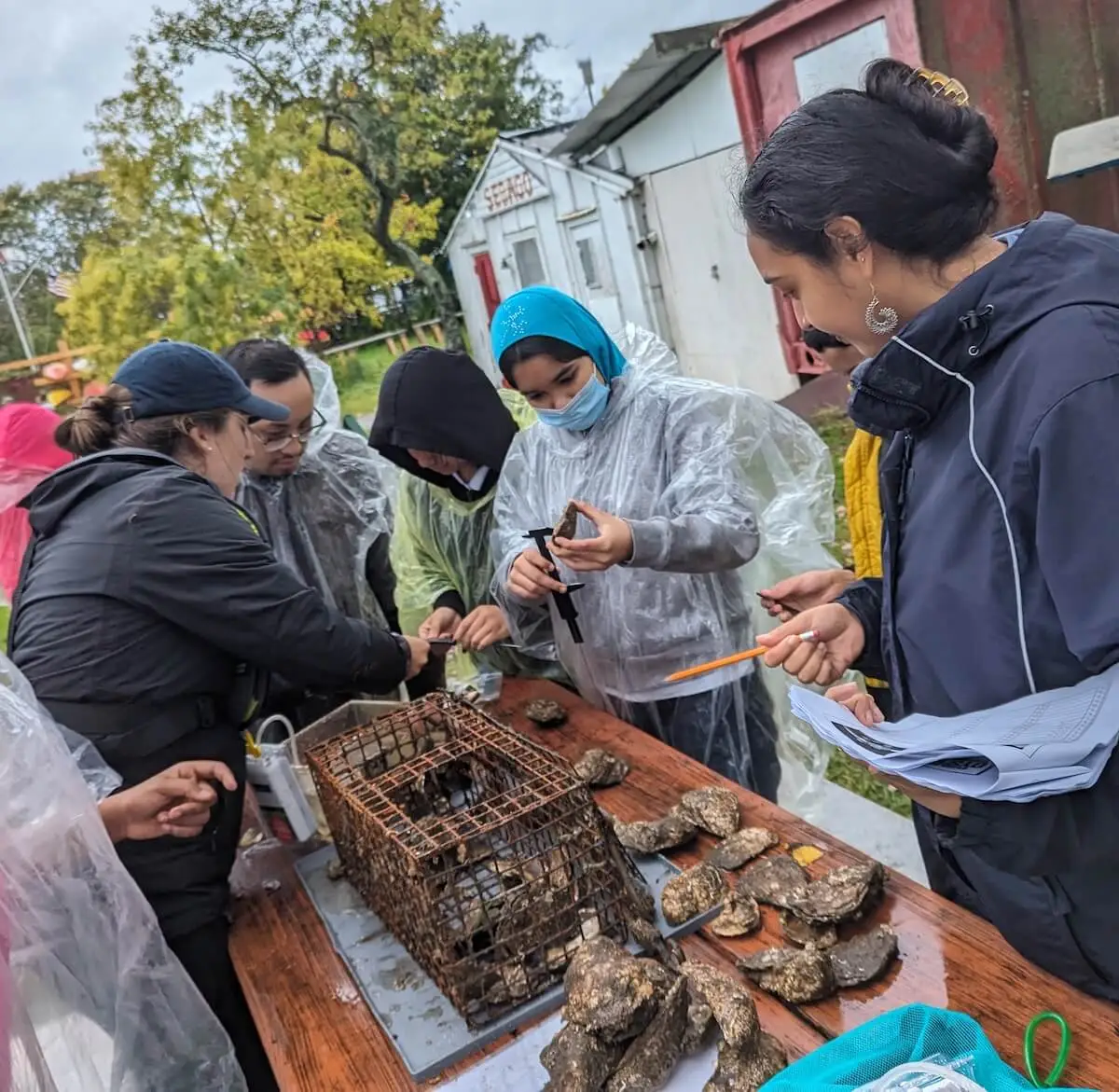
The afternoon featured hands-on workshops including oyster cage construction, water quality testing, and a cooking demonstration by Chef Marcus Gleadow-Ware of Crave Fishbar, who showed students how to shuck, prepare, and appreciate the very oysters they've been growing.
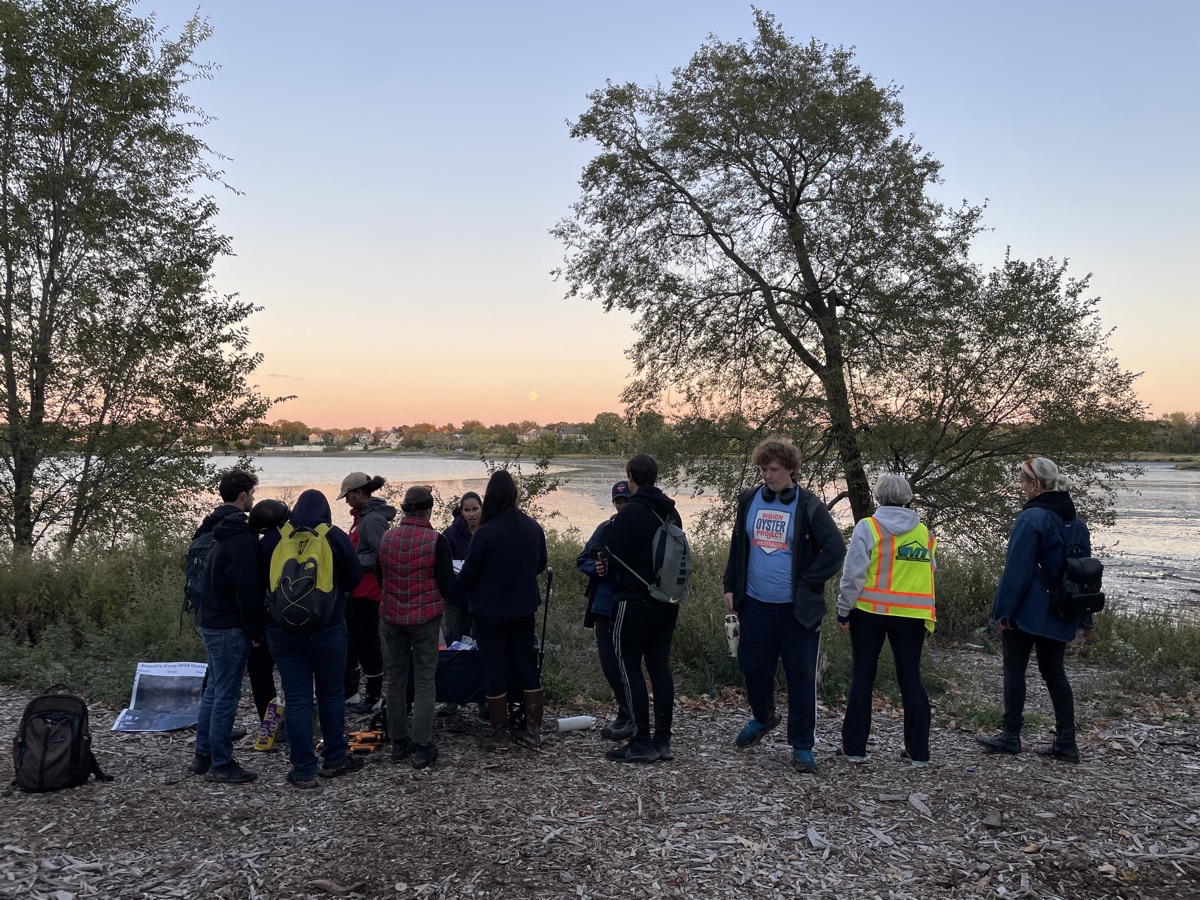
163 students attended from 12 schools. 22 research posters were presented. Over 5,000 oysters were deployed to reef sites during the hands-on session. And perhaps most importantly, 94% of students surveyed said the Symposium made them more likely to pursue environmental science or marine biology.

A thriving reef cluster, building habitat for generations