

Overview
Core Practices
What Students Do
Students set up and maintain a saltwater Oyster Research Tank in their classroom, generate research questions through observation, and pursue them through experimental design, expert consultations, harbor-data analysis, and independent investigations. Across 10 lessons, students develop scientific practices grounded in real-world tank maintenance and a class Question Pool.
Pacing & Logistics
Pacing: 17–30 class periods across 10 lessons (flexibility for teacher choice and tank cycling time).
Logistics: The classroom tank takes ~$100 in supplies to set up (instant ocean salt, refractometer, test kits, biological filter components). Order live oysters through BOP. Maintain a Class Question Pool on poster paper or whiteboard. L7 is research-driven with no slide deck; L8 experimental tank setups are student-designed and vary by class. Tank cycling (L2-L4) requires daily monitoring over ~2 weeks.
Learning Standards
Materials
LESSONS
2
chapters
Setting Up our Classroom Tank

Lesson
:
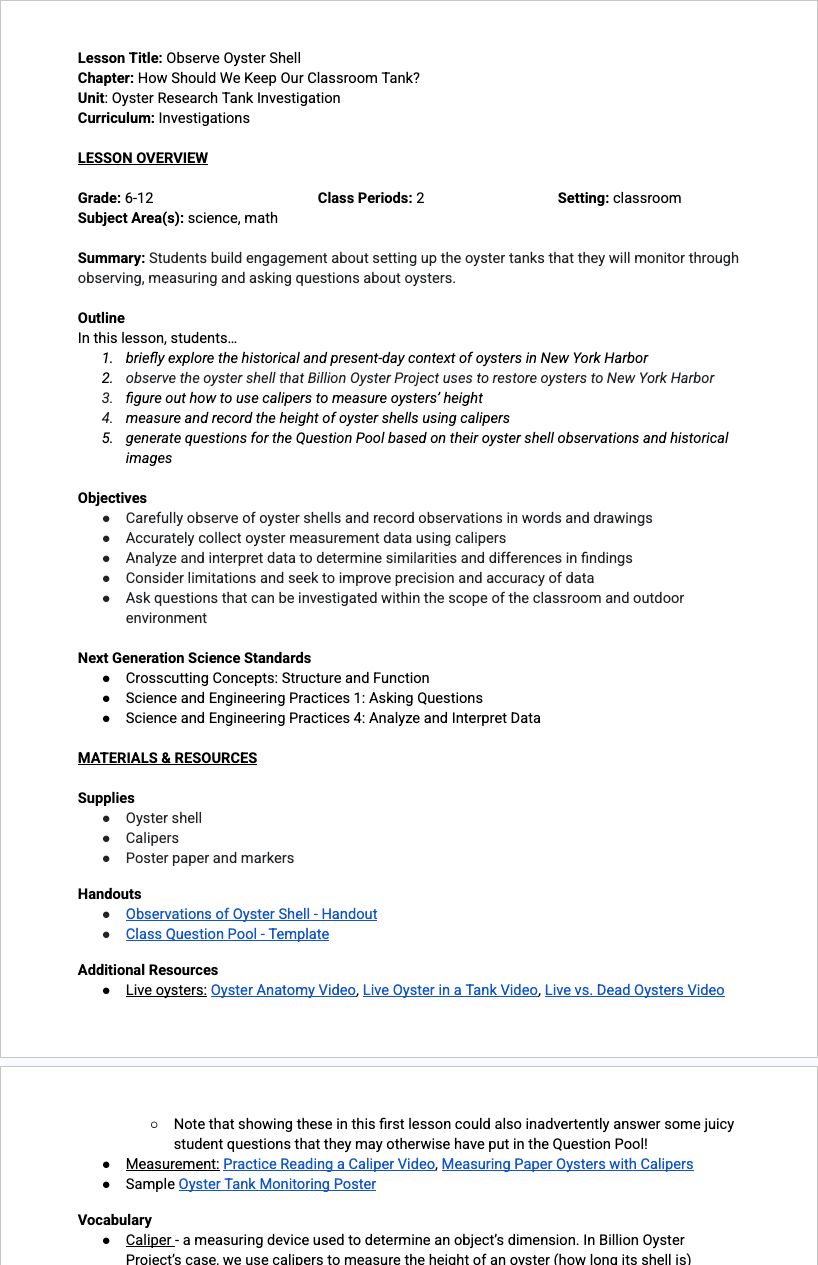
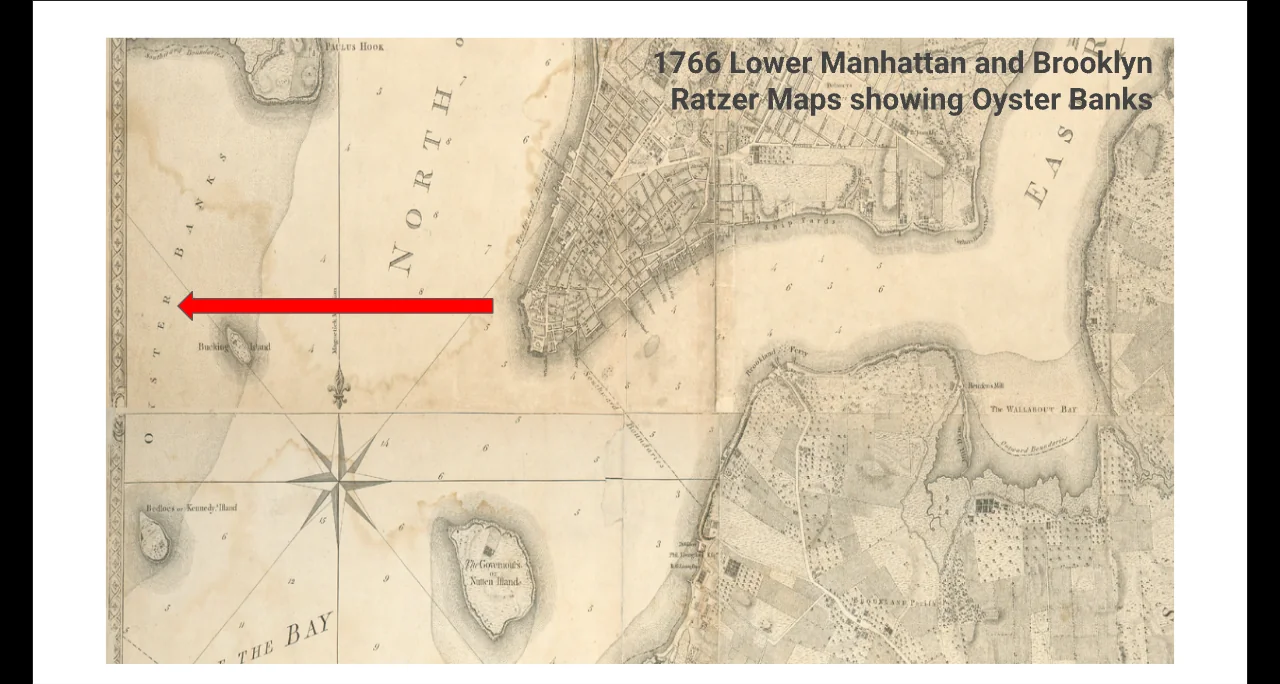
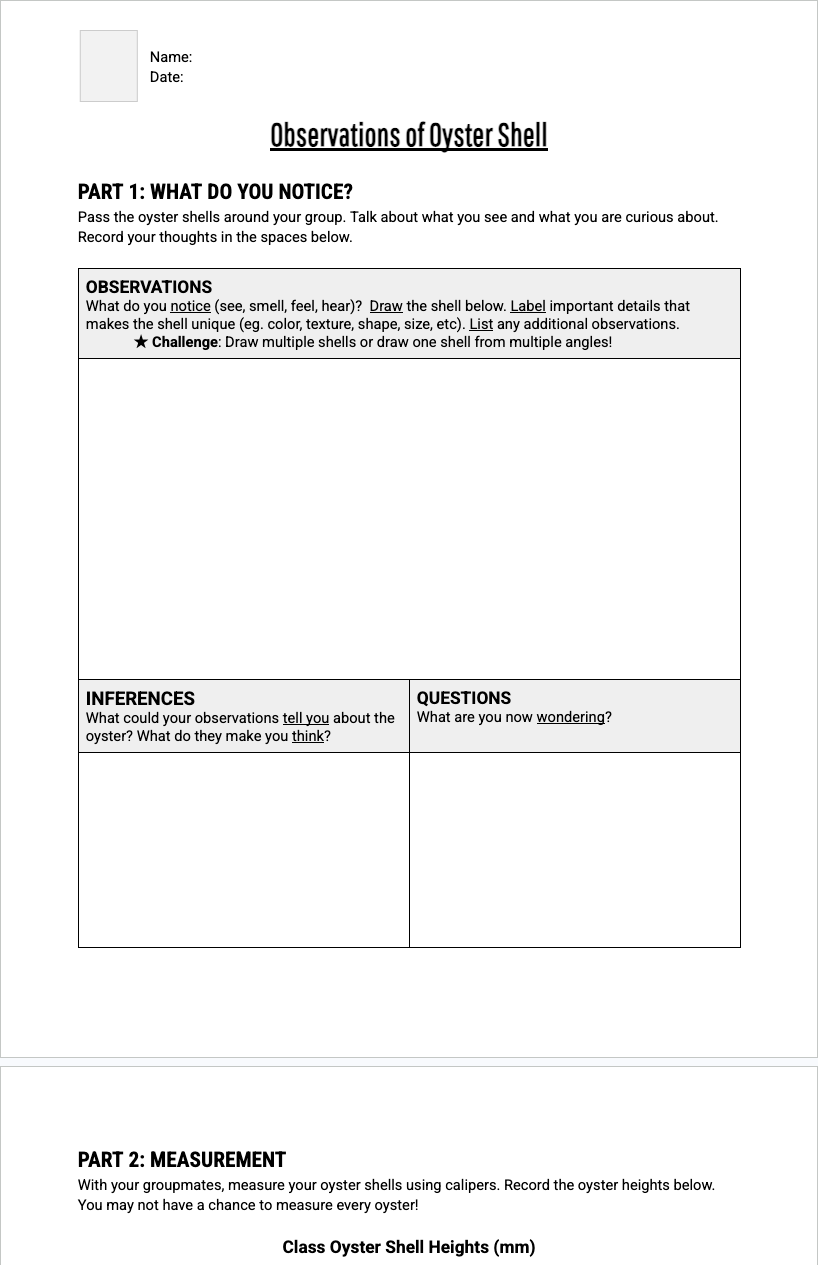
Observe Oyster Shell


Did you enjoy teaching this lesson?
Thanks! Any additional thoughts?
Materials & Quick Links
Sign up to access lesson content
Create free teacher credentials to access full lesson plans, downloadable materials, and teaching resources for your classroom.
Setting Up our Classroom Tank
Lesson
:
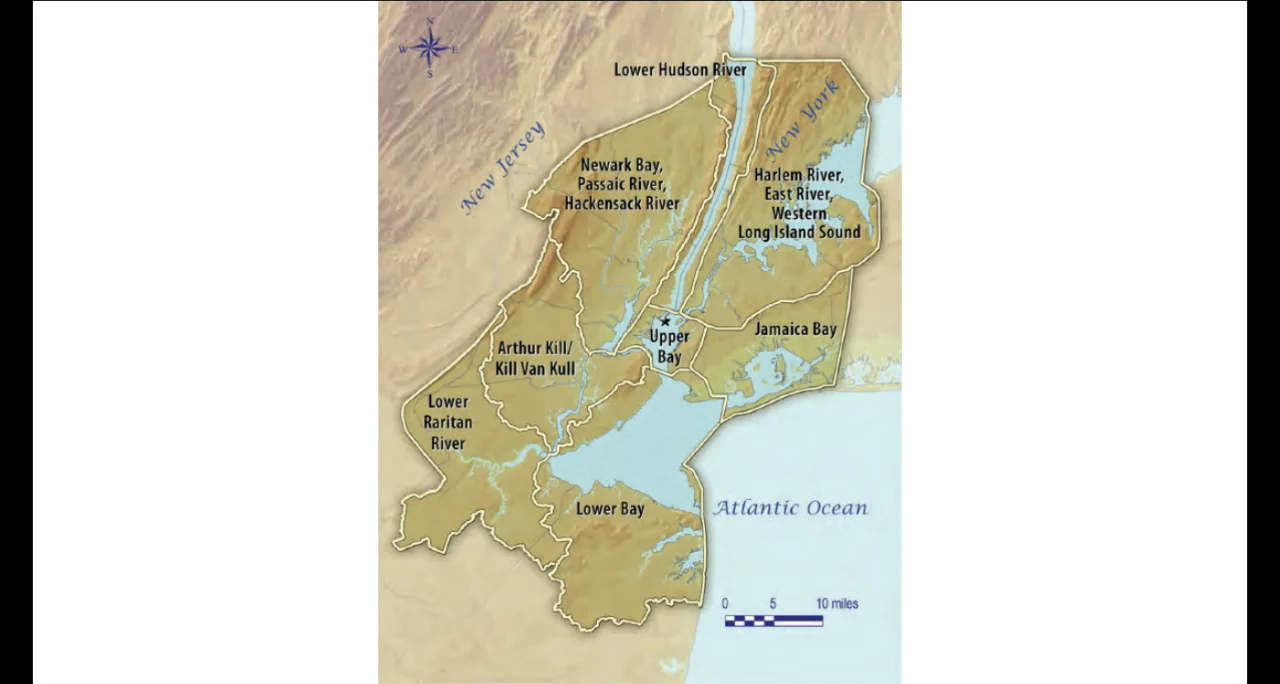
Create Brackish Water for Your Oyster Tank
Did you enjoy teaching this lesson?
Thanks! Any additional thoughts?
Materials & Quick Links

Sign up to access lesson content
Create free teacher credentials to access full lesson plans, downloadable materials, and teaching resources for your classroom.
Setting Up our Classroom Tank
Lesson
:
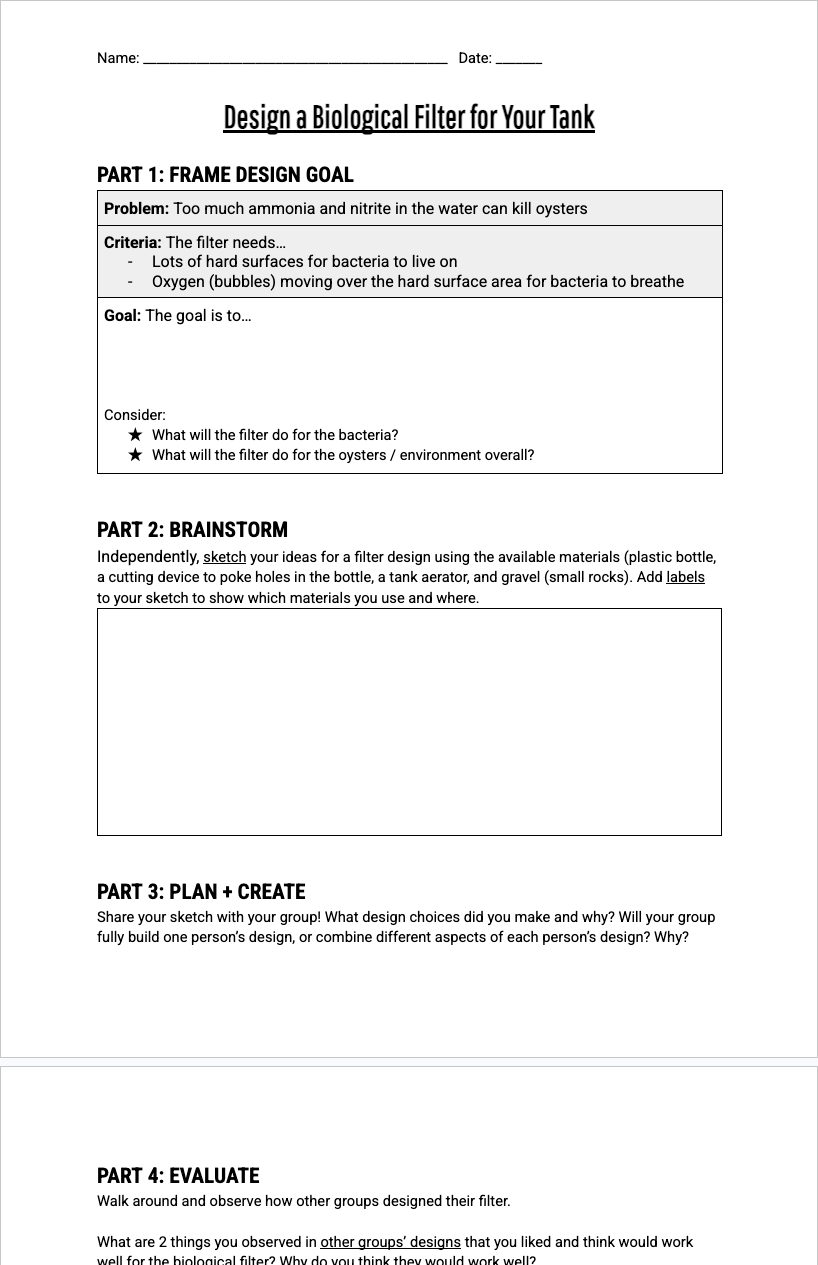
Designing a Biological Filter
Did you enjoy teaching this lesson?
Thanks! Any additional thoughts?
Materials & Quick Links


Sign up to access lesson content
Create free teacher credentials to access full lesson plans, downloadable materials, and teaching resources for your classroom.
Setting Up our Classroom Tank
Lesson
:
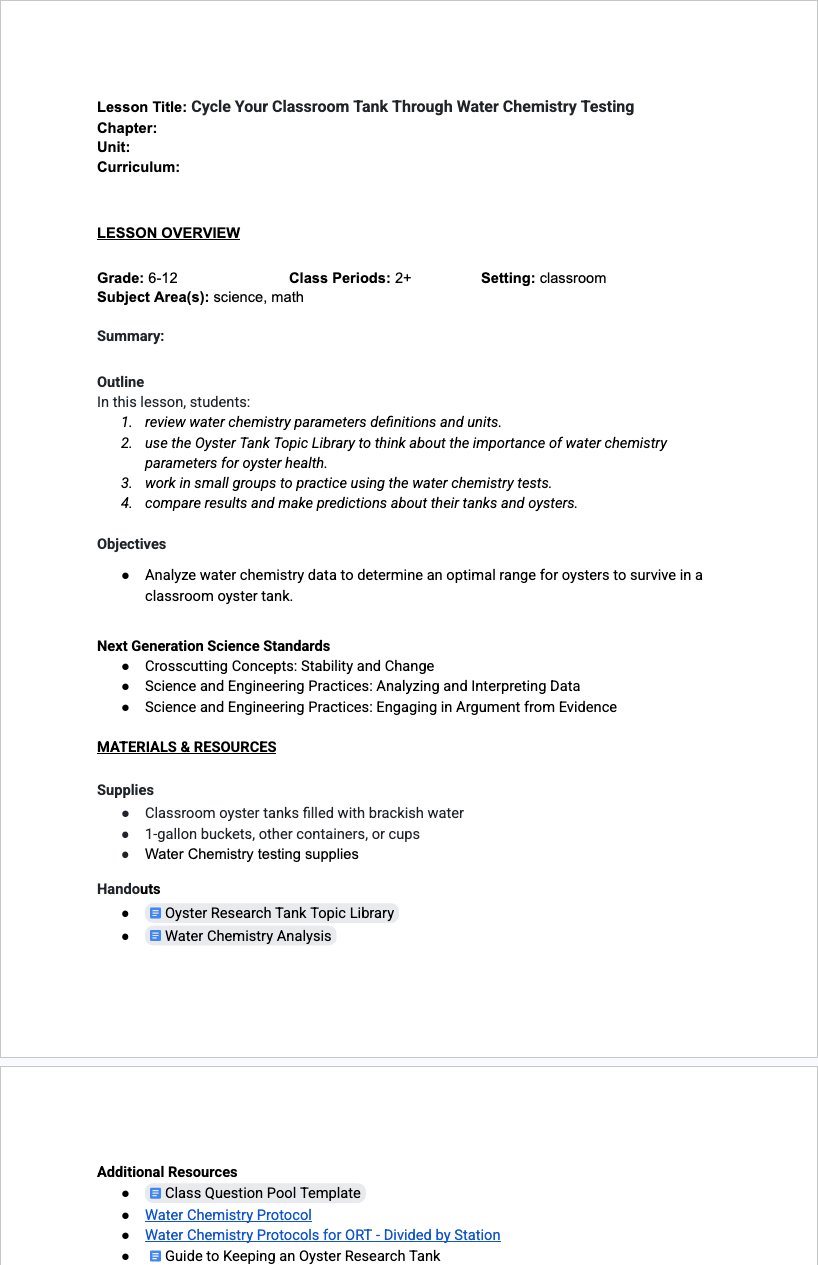
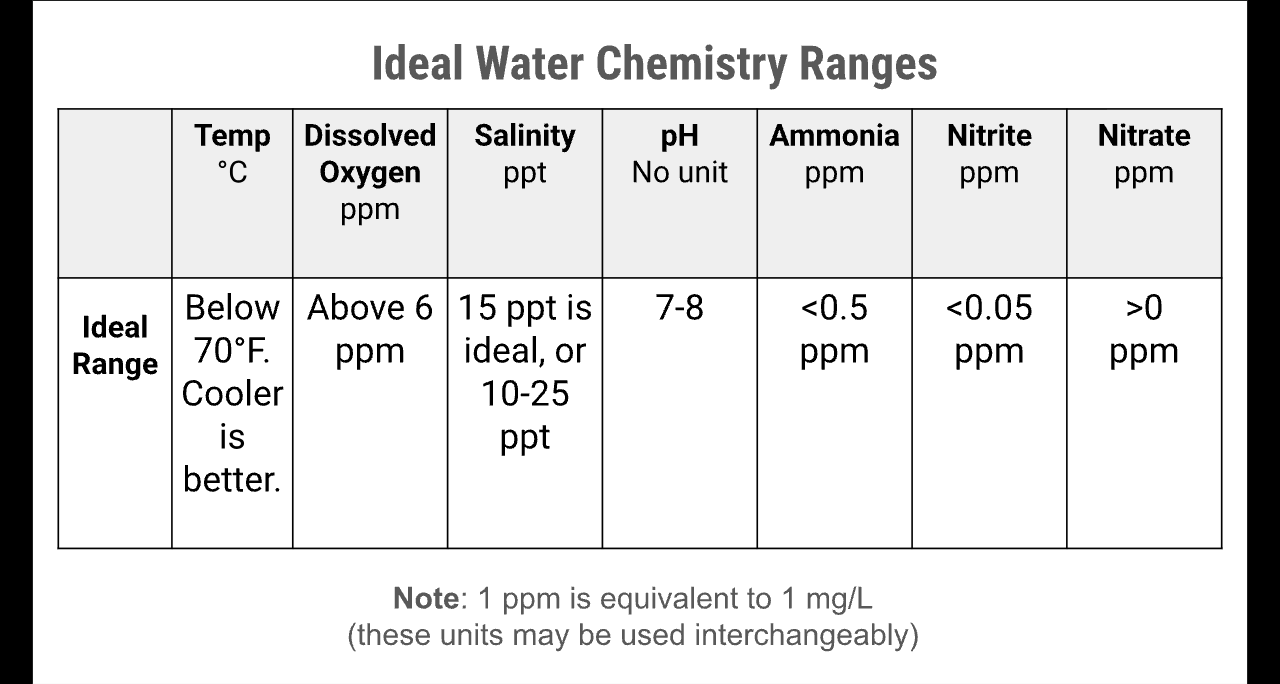
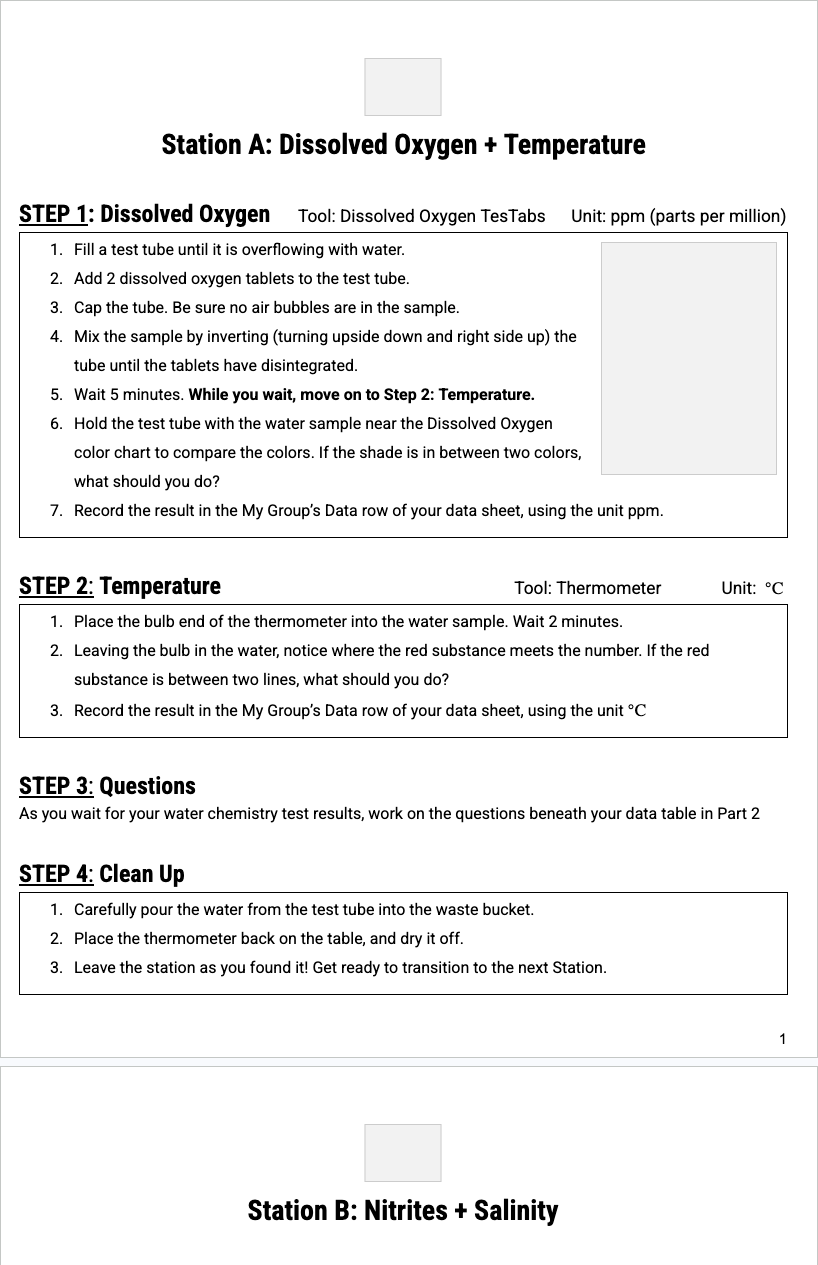
Cycle Your Classroom Tank Through Water Chemistry Testing
Did you enjoy teaching this lesson?
Thanks! Any additional thoughts?
Materials & Quick Links

Sign up to access lesson content
Create free teacher credentials to access full lesson plans, downloadable materials, and teaching resources for your classroom.
Setting Up our Classroom Tank
Lesson
:
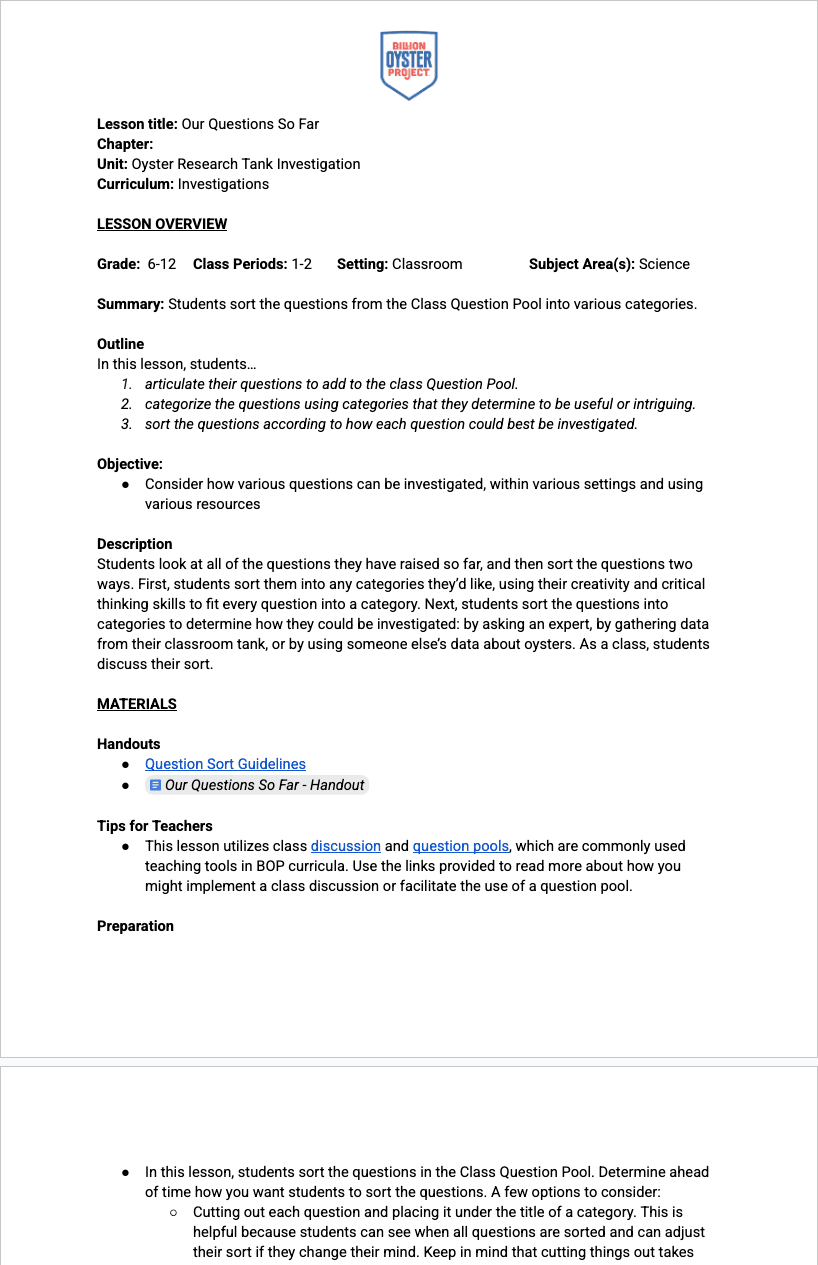
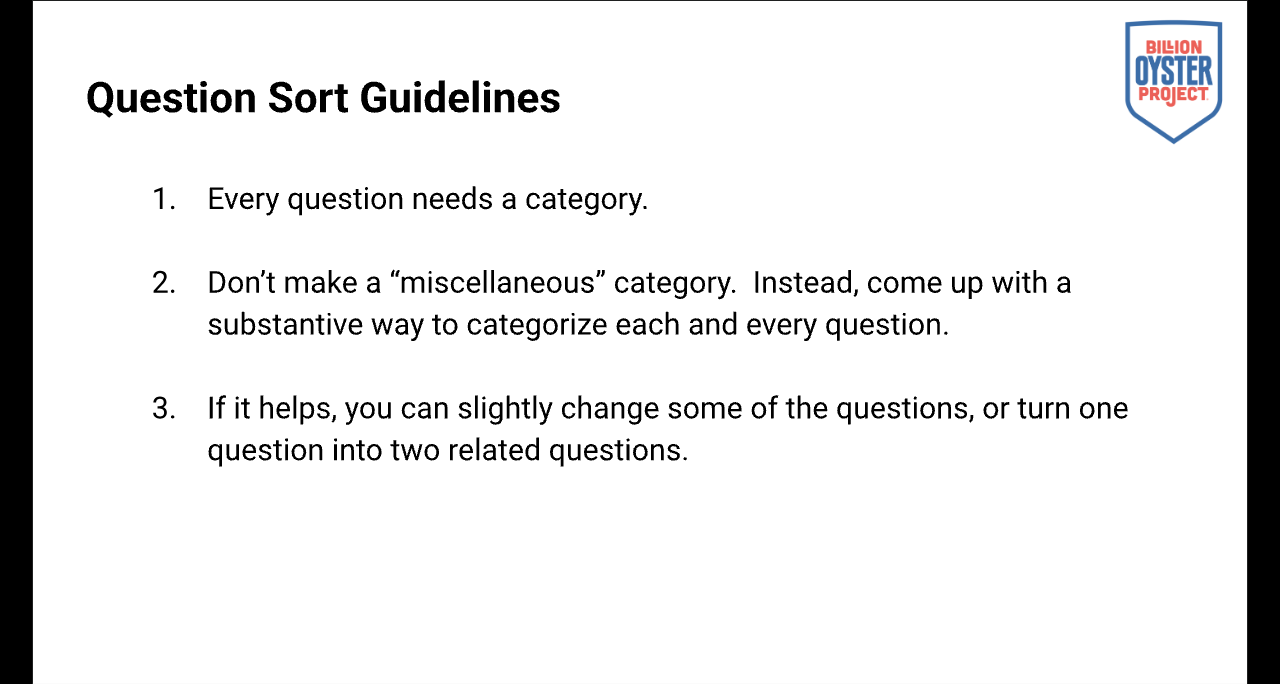
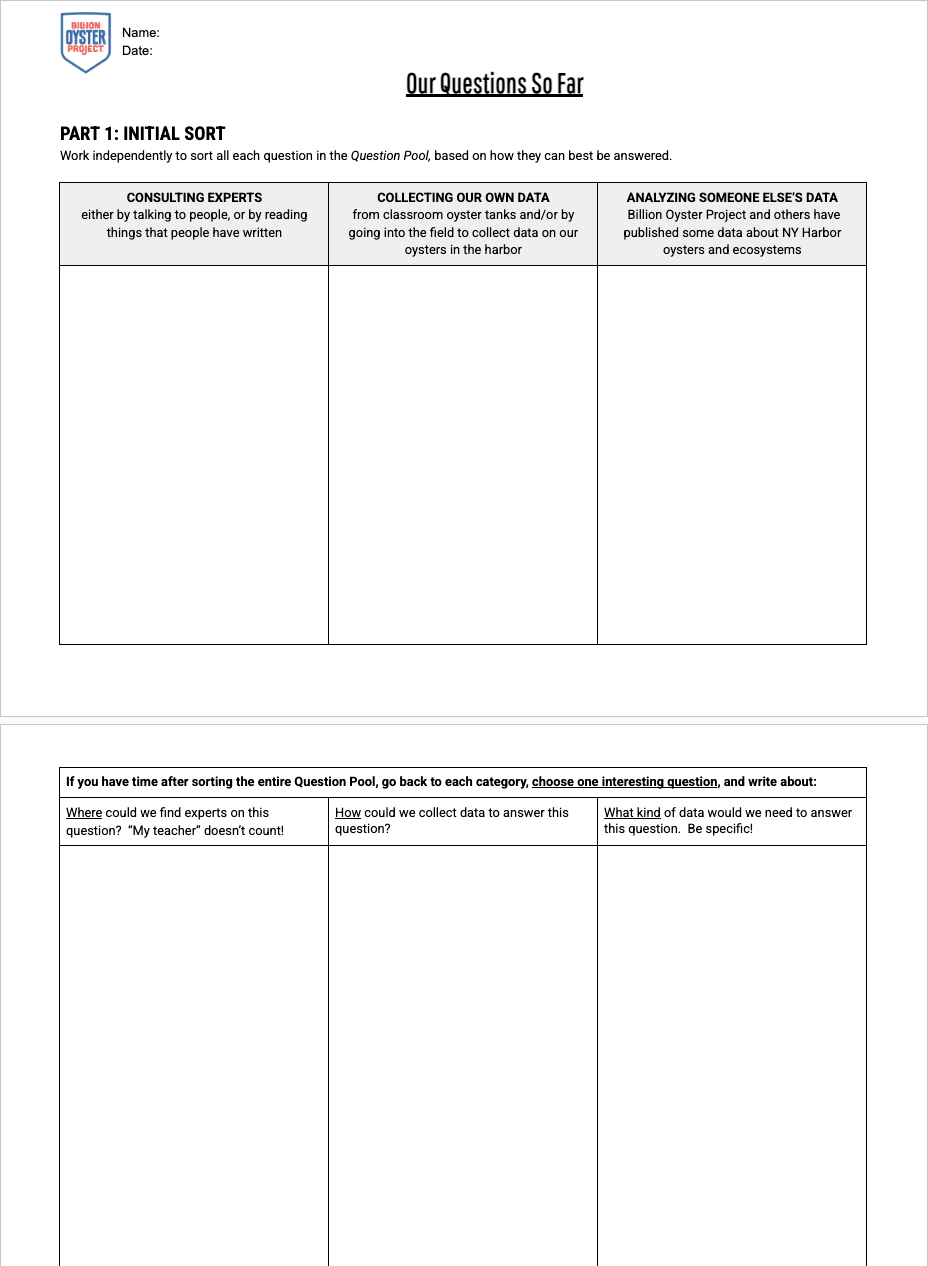
Our Questions So Far
Did you enjoy teaching this lesson?
Thanks! Any additional thoughts?
Materials & Quick Links
Sign up to access lesson content
Create free teacher credentials to access full lesson plans, downloadable materials, and teaching resources for your classroom.
Investigating Tank Questions
Lesson
:
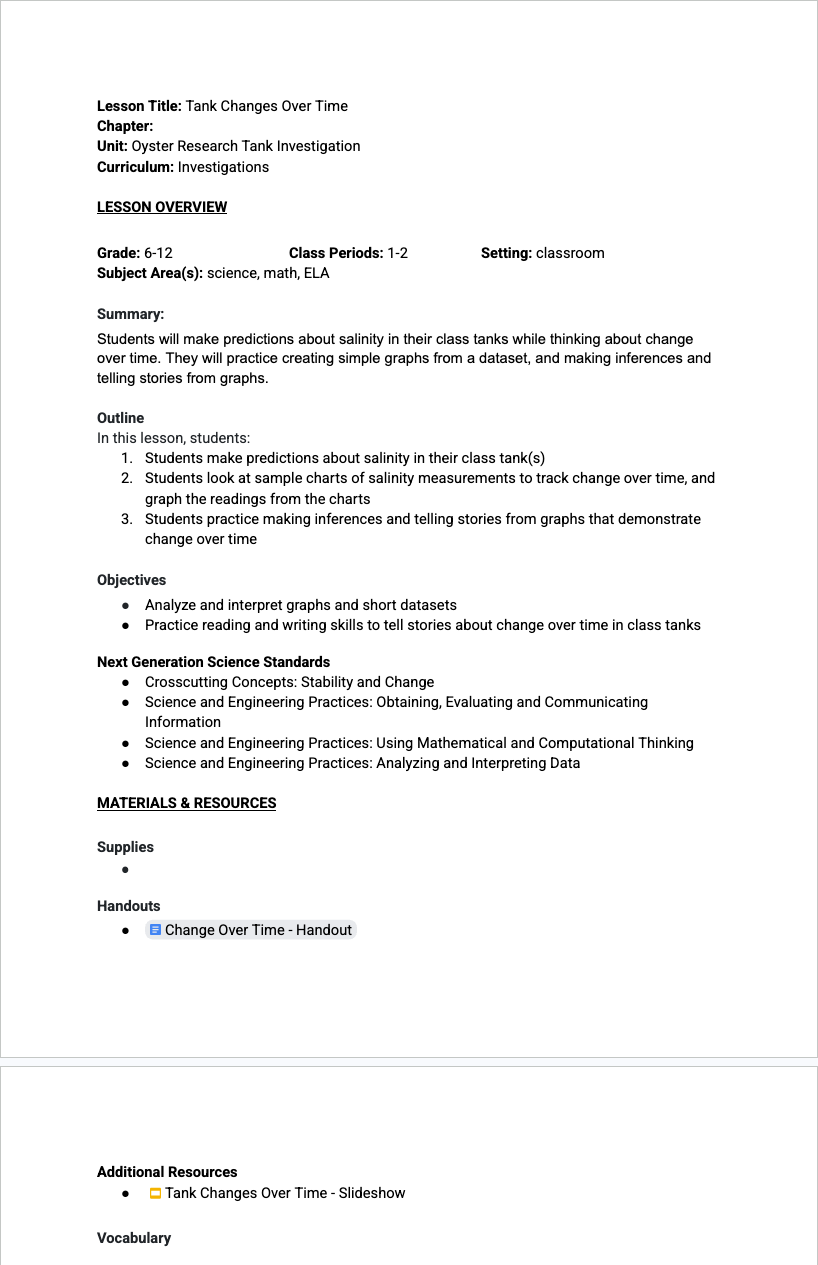
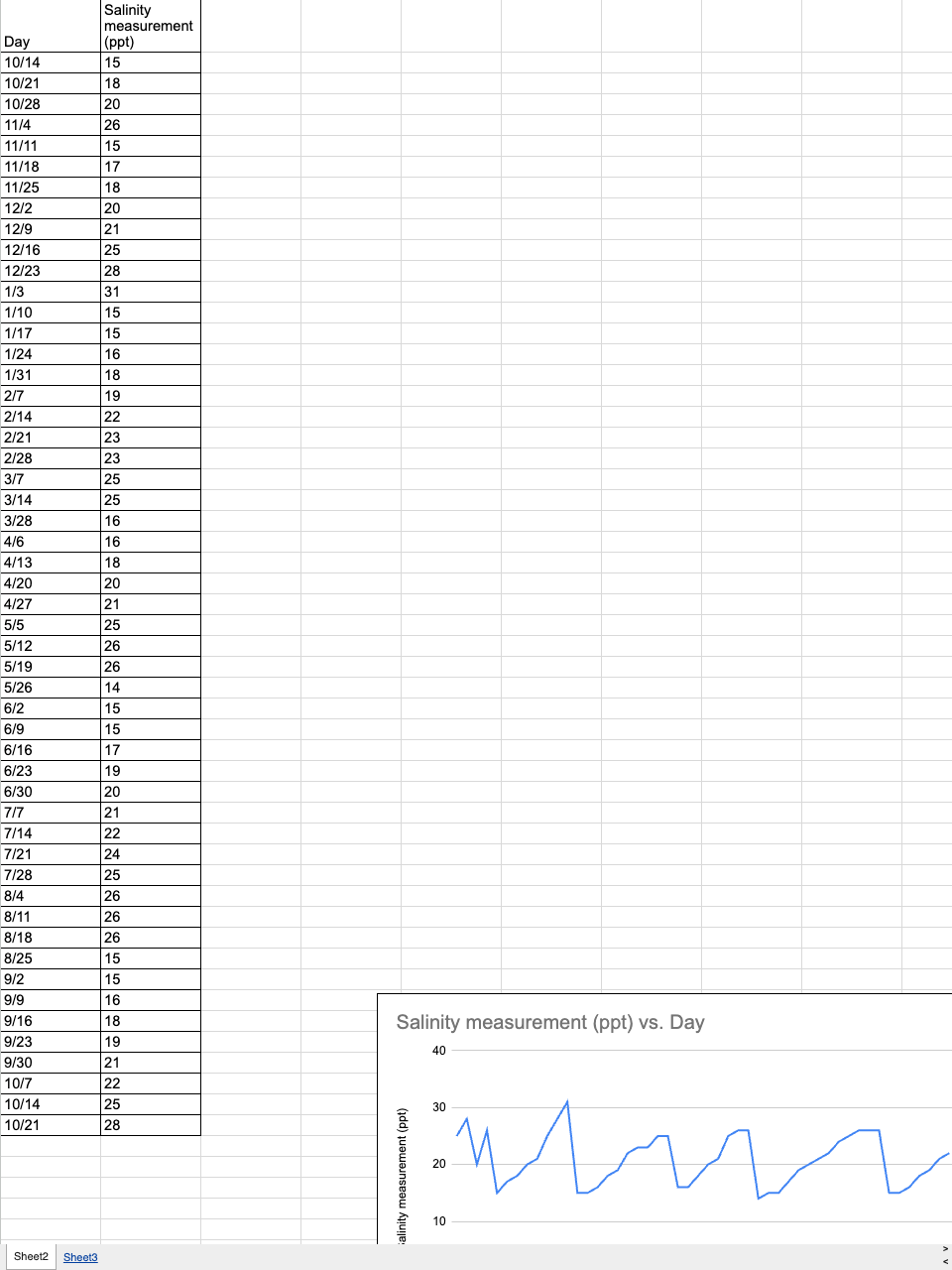
Tank Changes Over Time
Did you enjoy teaching this lesson?
Thanks! Any additional thoughts?
Materials & Quick Links


Sign up to access lesson content
Create free teacher credentials to access full lesson plans, downloadable materials, and teaching resources for your classroom.
Investigating Tank Questions
Lesson
:
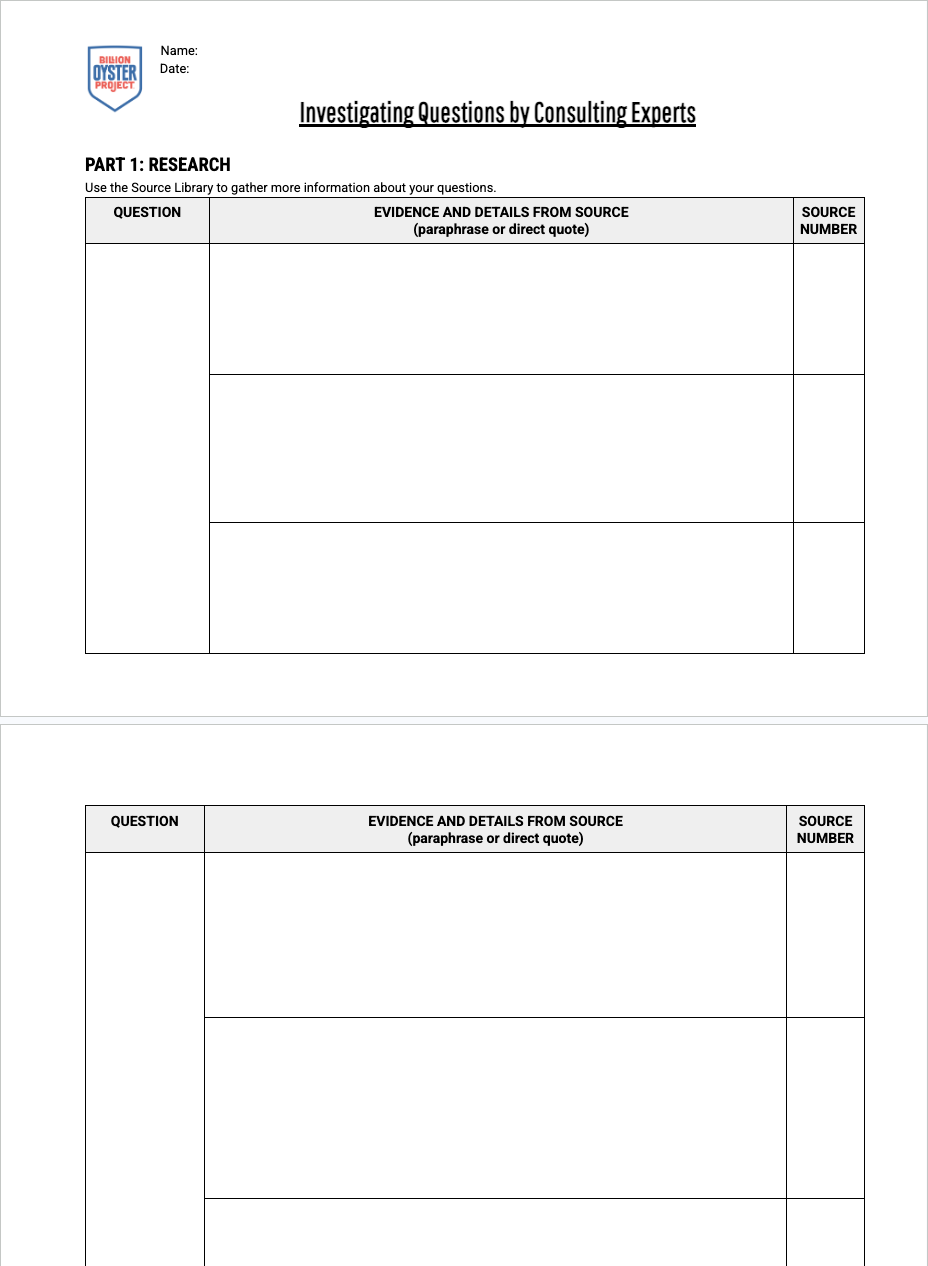
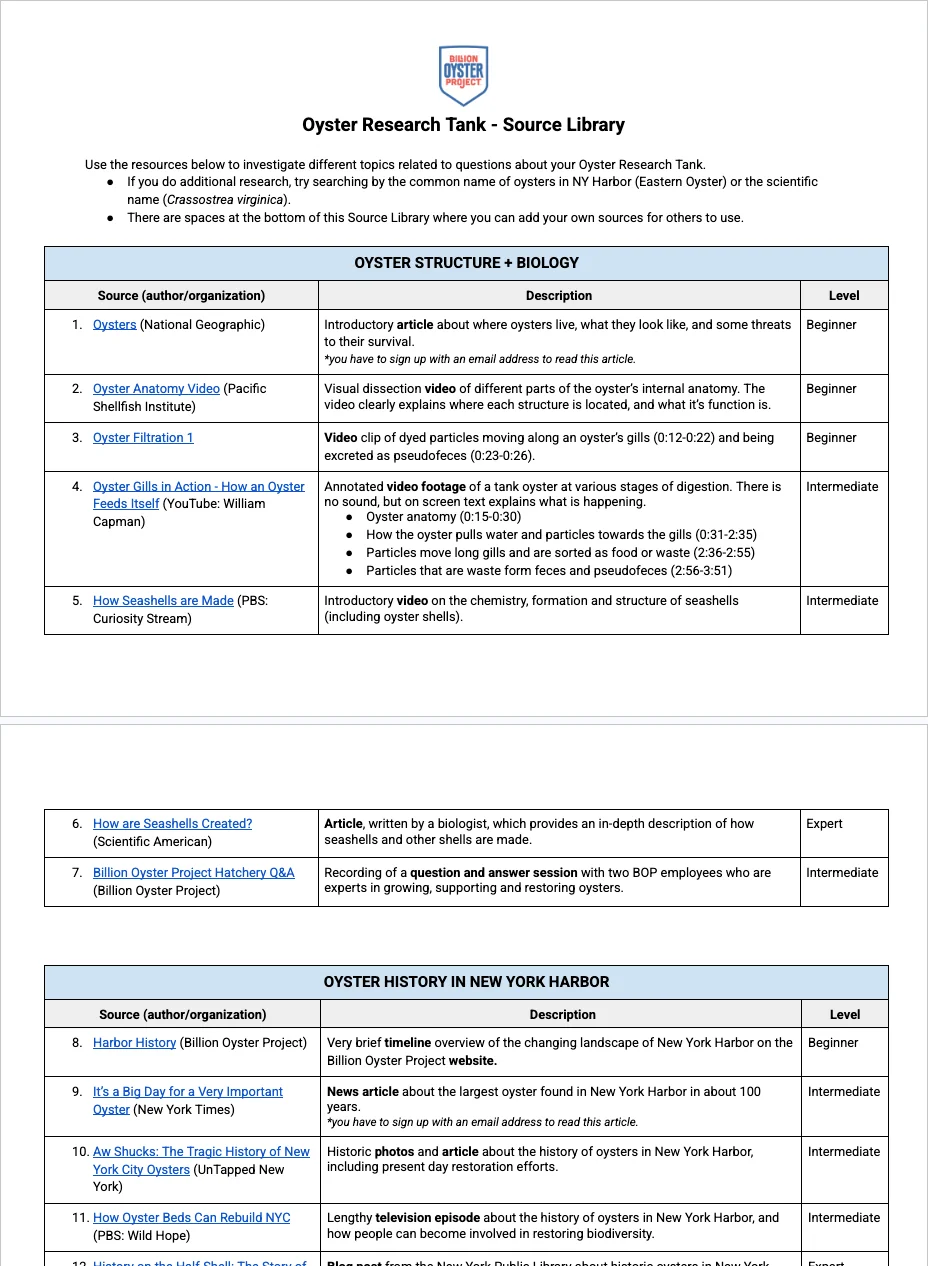
Investigating Questions by Consulting Experts
Did you enjoy teaching this lesson?
Thanks! Any additional thoughts?
Materials & Quick Links
Sign up to access lesson content
Create free teacher credentials to access full lesson plans, downloadable materials, and teaching resources for your classroom.
Investigating Tank Questions
Lesson
:
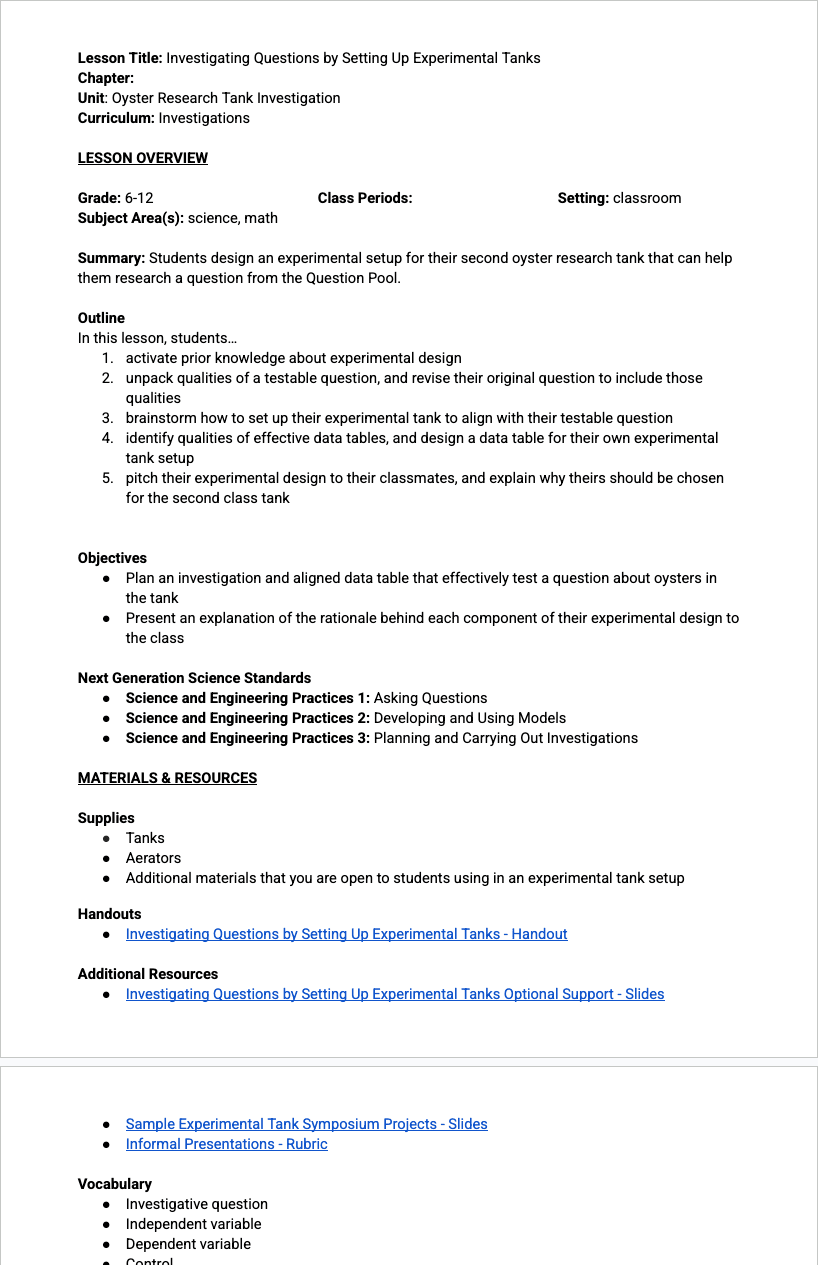
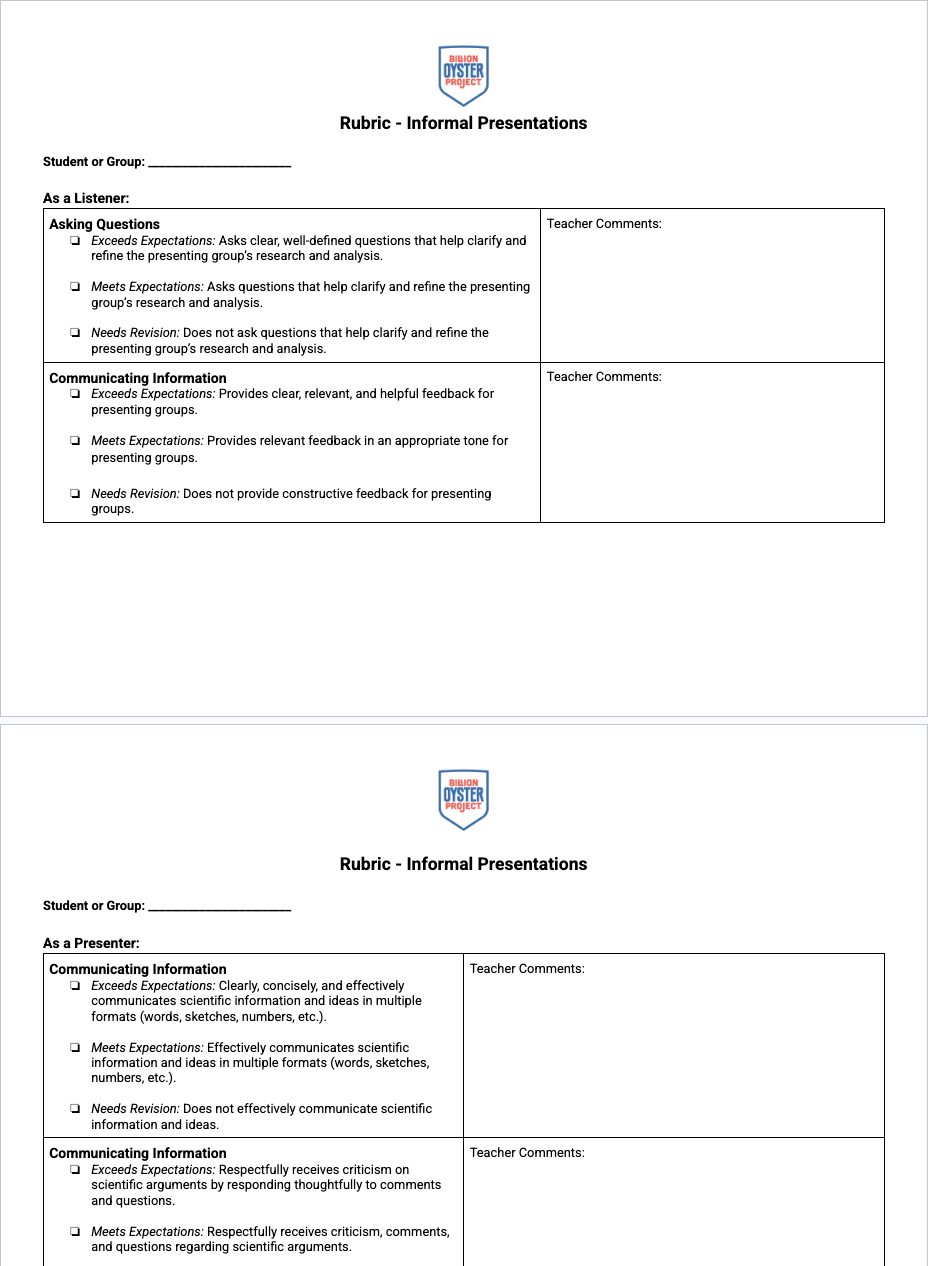
Investigating Questions by Setting Up Experimental Tanks
Did you enjoy teaching this lesson?
Thanks! Any additional thoughts?
Materials & Quick Links

Sign up to access lesson content
Create free teacher credentials to access full lesson plans, downloadable materials, and teaching resources for your classroom.
Investigating Tank Questions
Lesson
:
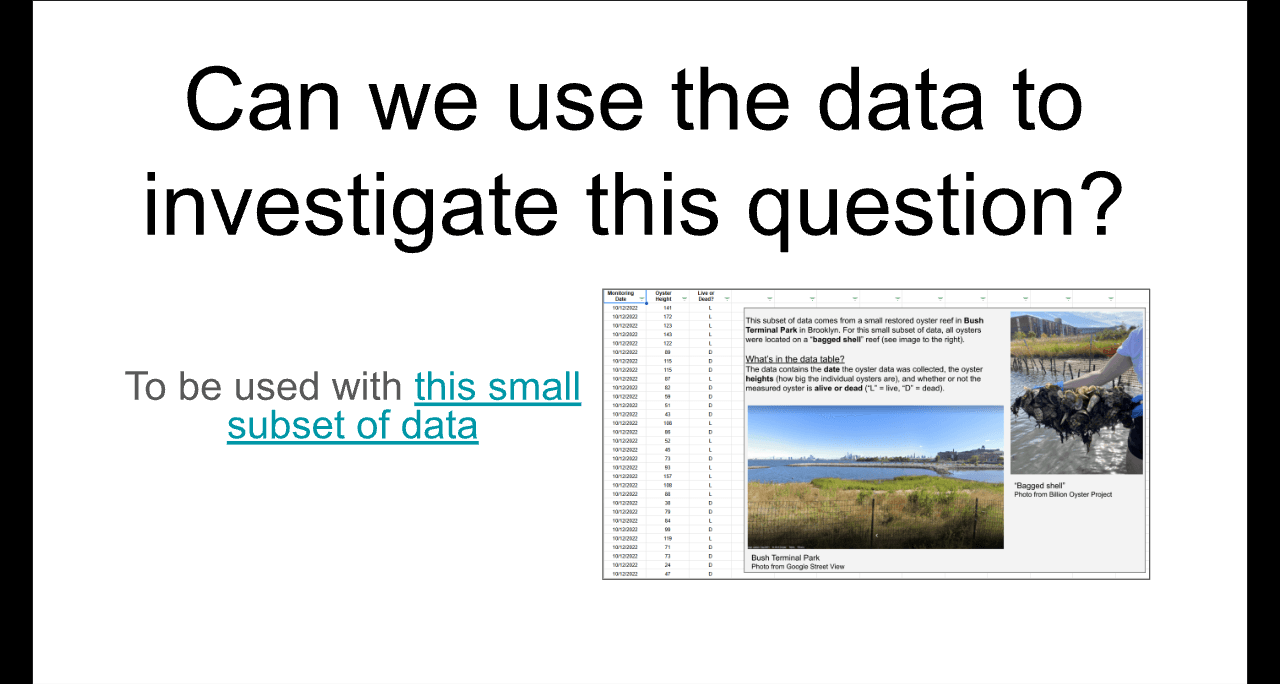
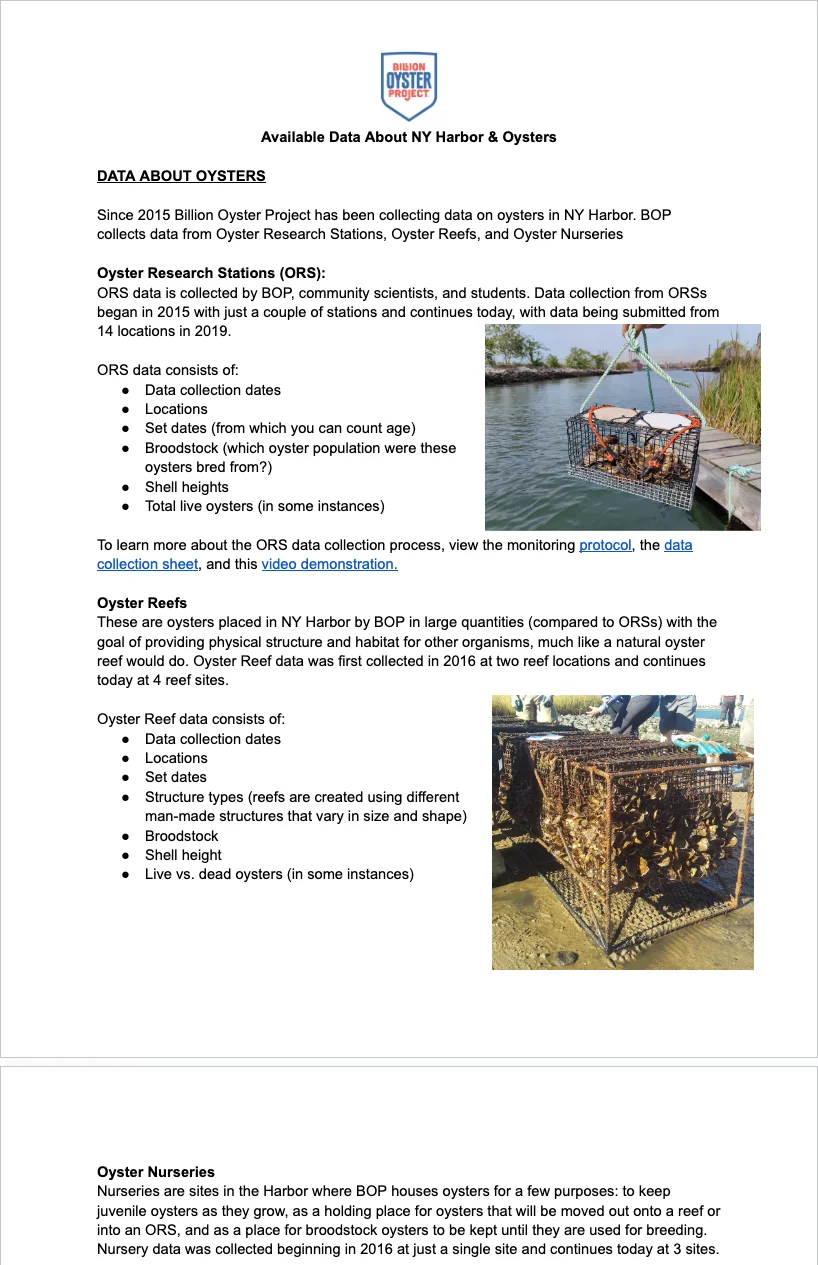
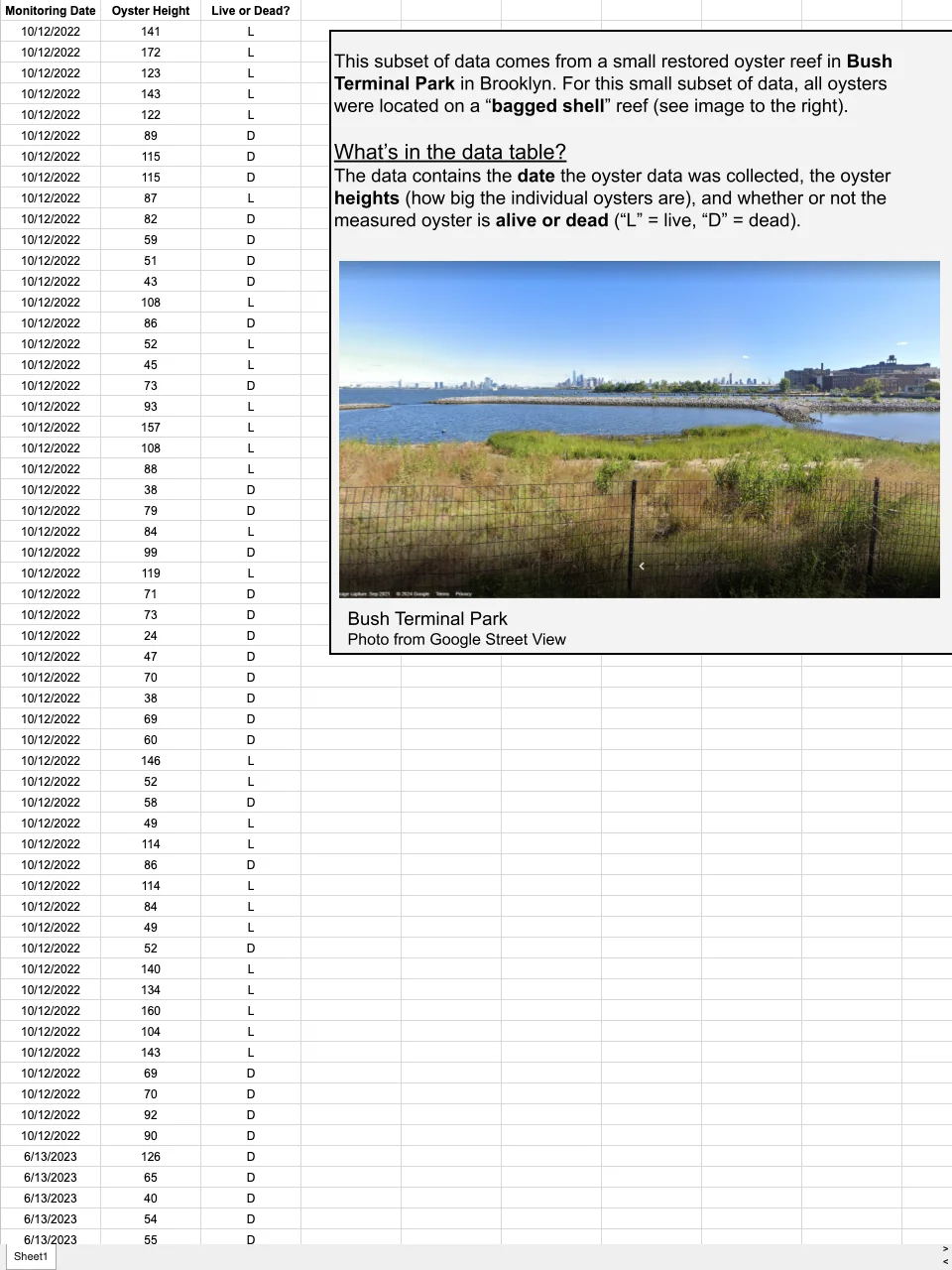
Investigating Questions by Using Harbor Data
Did you enjoy teaching this lesson?
Thanks! Any additional thoughts?
Materials & Quick Links


Sign up to access lesson content
Create free teacher credentials to access full lesson plans, downloadable materials, and teaching resources for your classroom.
Investigating Tank Questions
Lesson
:
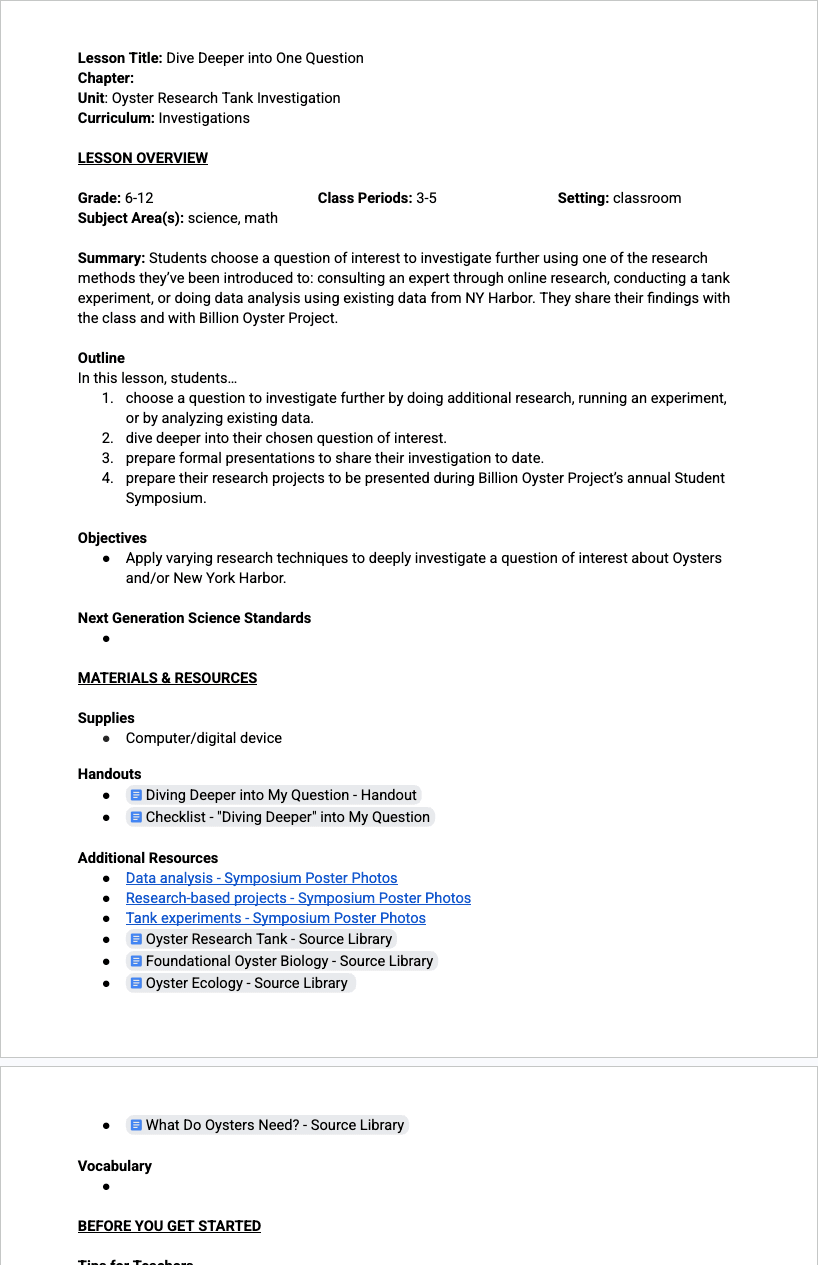
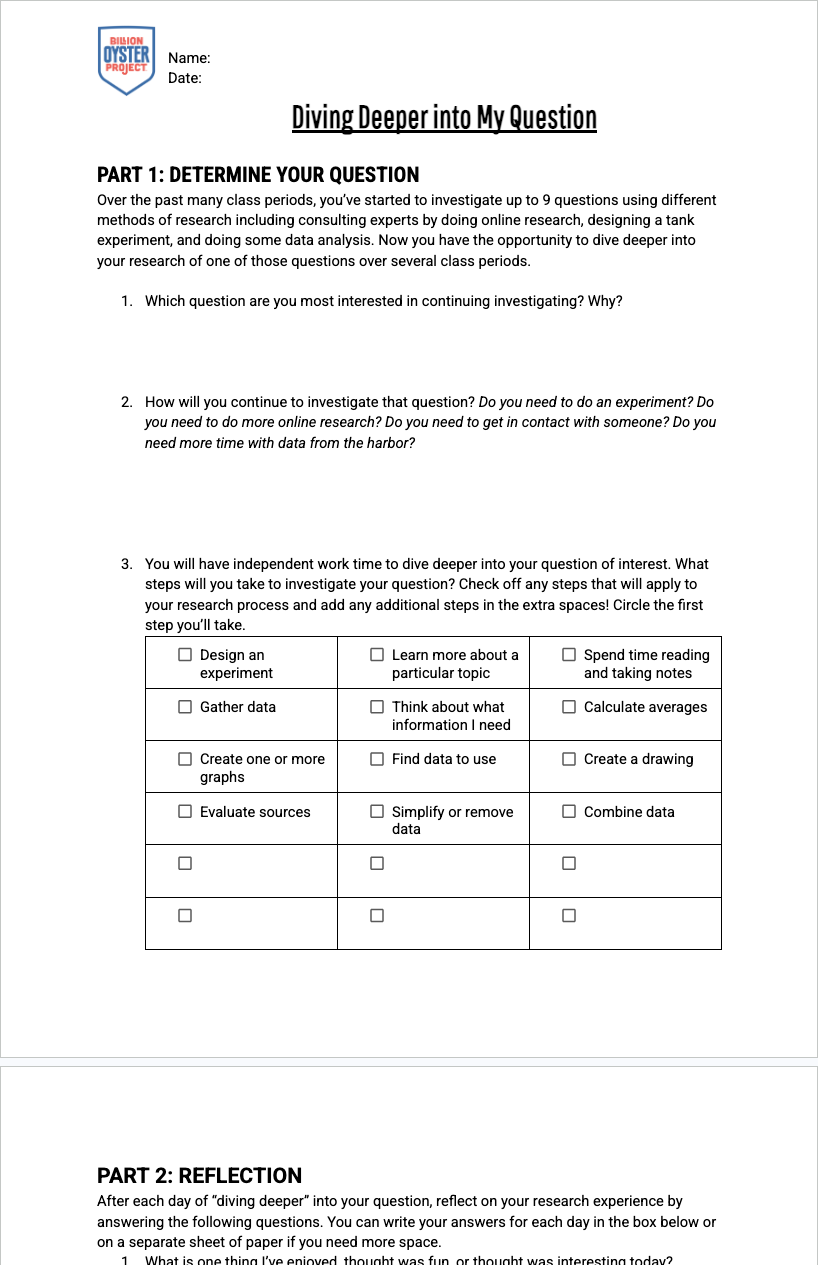
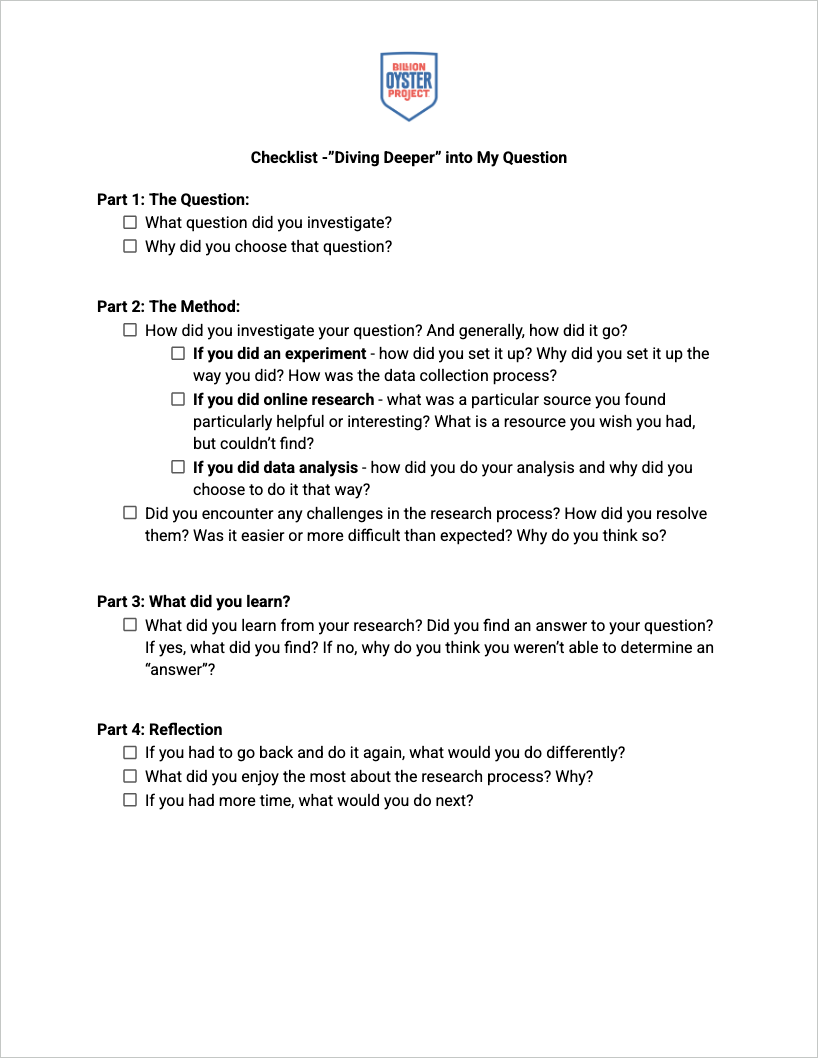
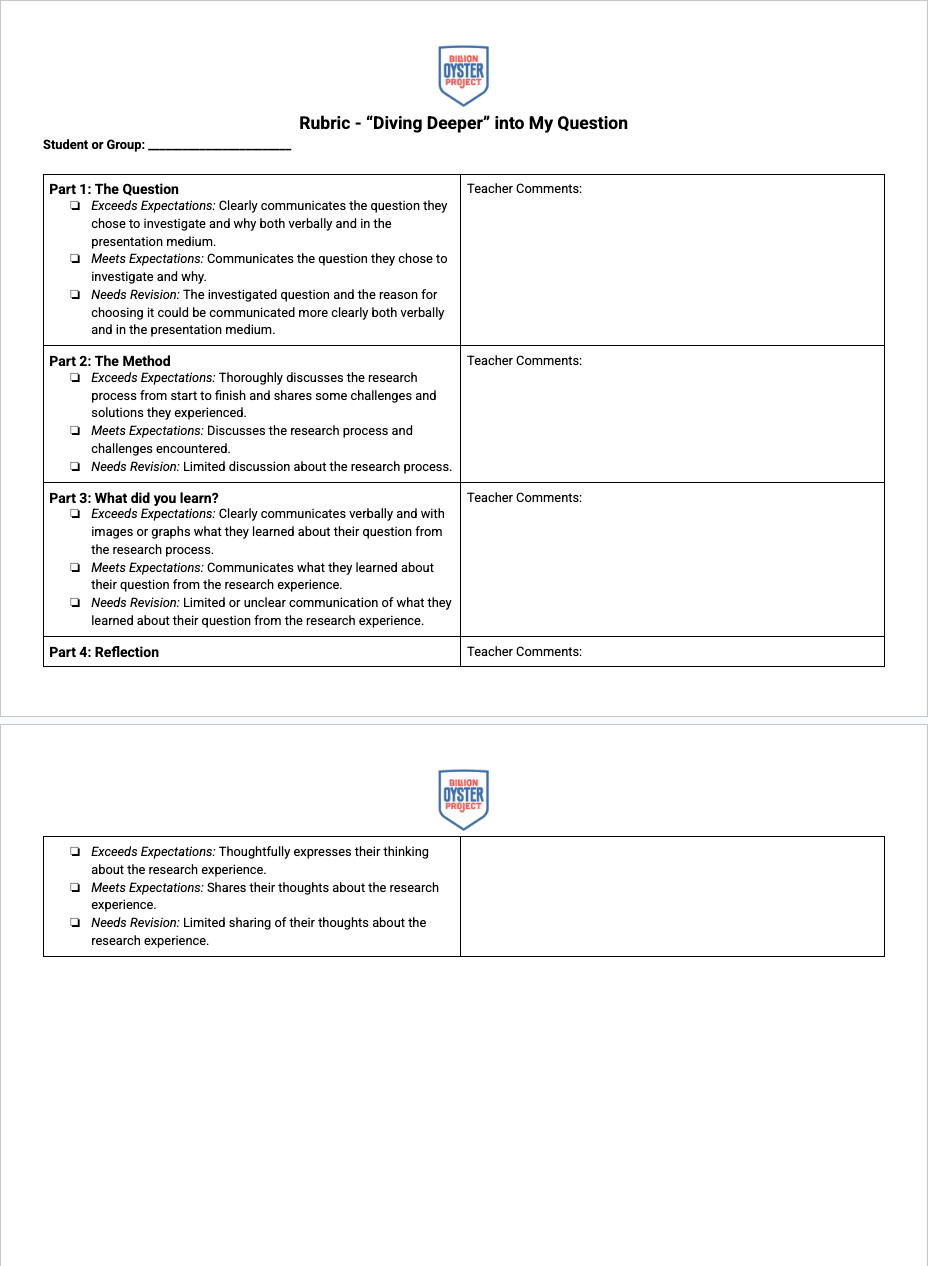
Dive Deeper into One Question
Did you enjoy teaching this lesson?
Thanks! Any additional thoughts?
Materials & Quick Links

Sign up to access lesson content
Create free teacher credentials to access full lesson plans, downloadable materials, and teaching resources for your classroom.
.png)