
When people think about New York City, they rarely think about nature first. They think about the buildings, restaurants, nightlife, art, people, noise, energy, and concrete. People from around the world come here because it feels like the ultimate human-made place. A playground if you will. In 2026 alone, we are on track to have 66.5M visitors coming to the city that never sleeps. But look at a map of New York and something else becomes immediately obvious.
We are surrounded by water.
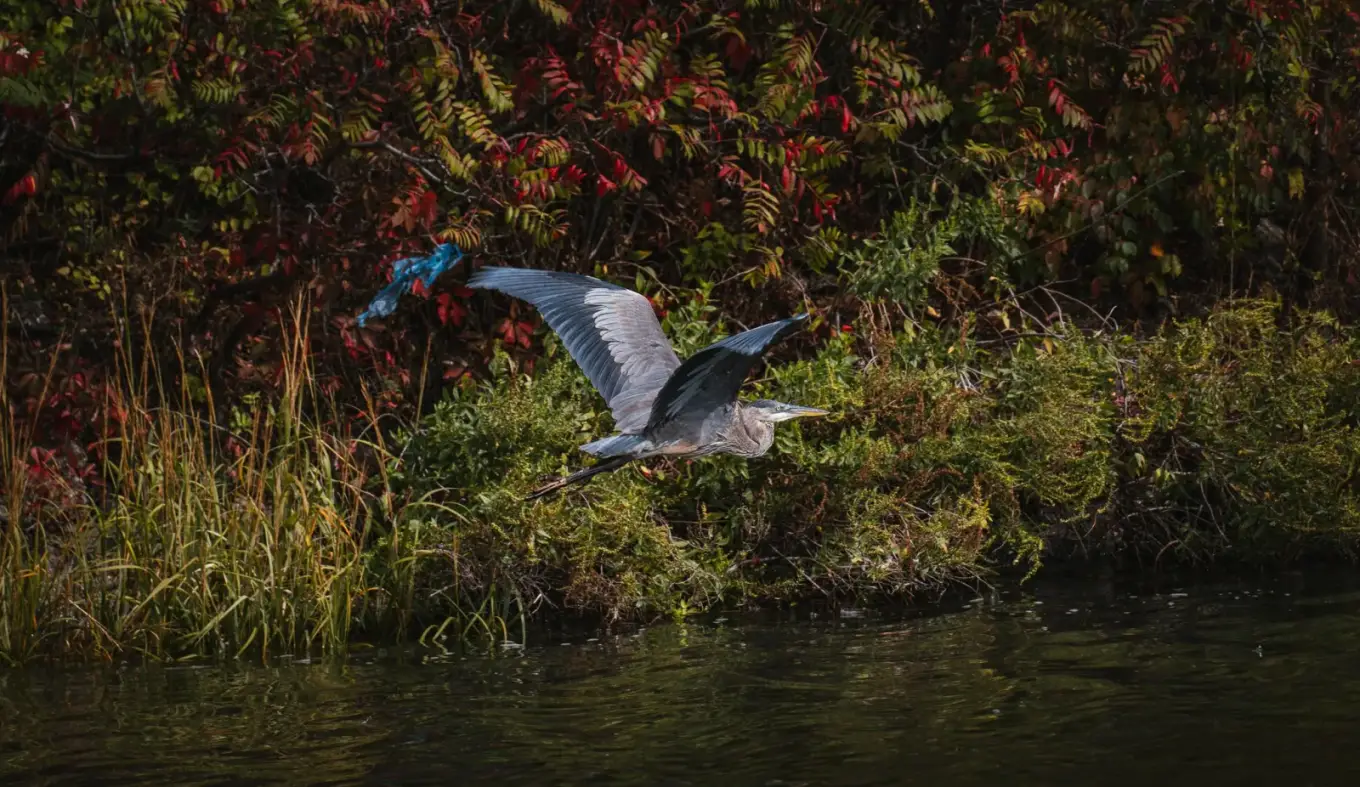
New York Harbor is our largest open space, and it is part of an estuary that was once among the most productive on Earth. Before the skyline, highways, seawalls, and bridges, this was a landscape of, you guessed it, some pretty wild nature. Think salt marshes, forests, tidal creeks, and enormous oyster reefs. Historical accounts describe waters so alive with fish and skies filled with birds. We changed that landscape dramatically, but we didn't erase the wild completely. In fact, it's still here. And it’s all around us in places we hardly think to look. But it’s all right under our noses.
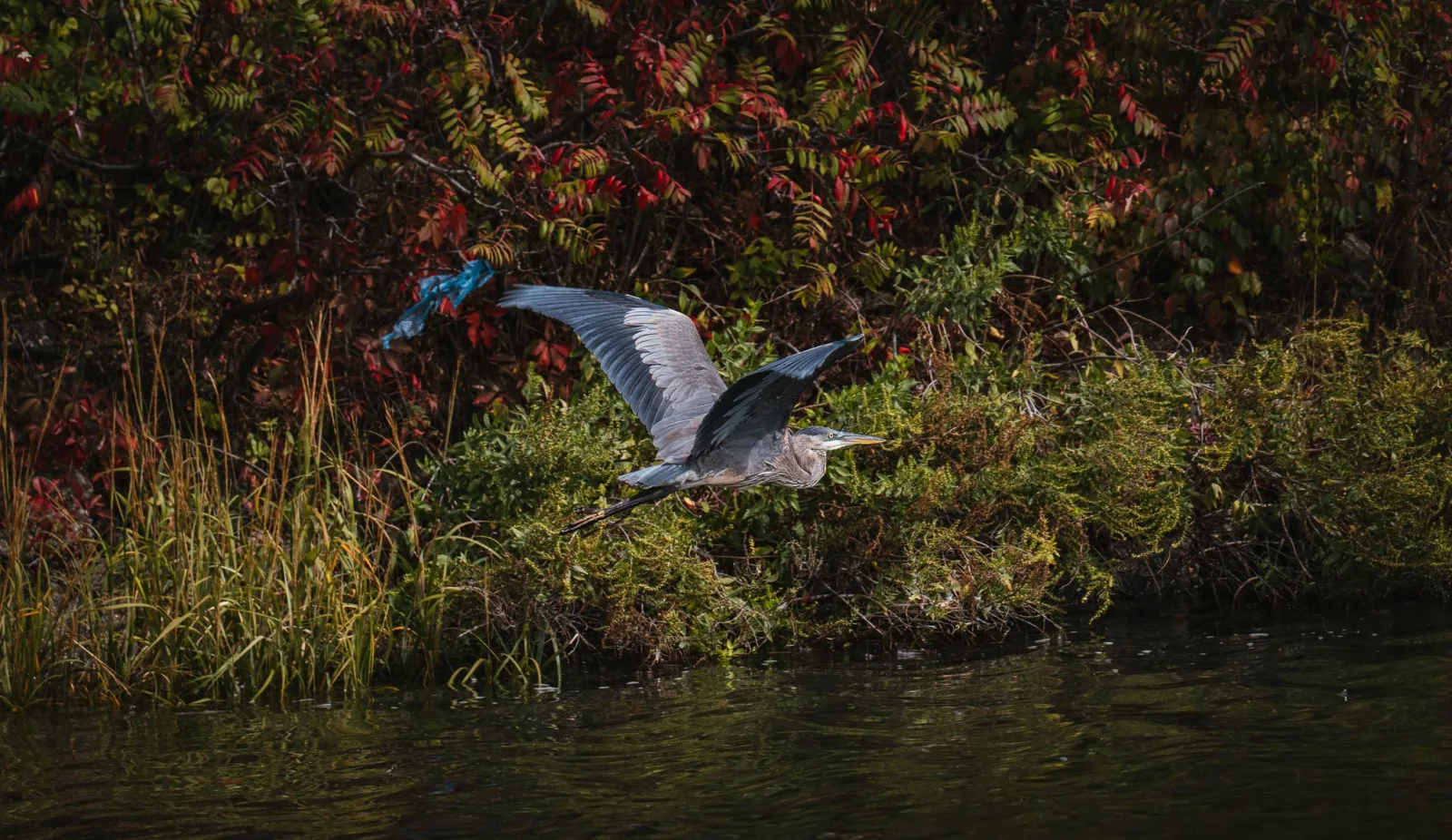
There are whales moving through waters just beyond our beaches. Dolphins show up in the harbor quite regularly. And we even have lined seahorses, right here, on our home turf. Peregrine falcons nest around our bridges and so do osprey, bald eagles, and 133 other bird species that we’ve recorded using these waterways. Seals visit our waters in the winter. Striped bass migrate through the estuary, and horseshoe crabs return to our shorelines annually in an impressive display that can be seen at dusk. The ones who know about, really know about it, and make a thing of it every single year. This is serious biodiversity we’re talking about, and it is all happening alongside more than eight million people who call New York City home.
The problem is that we don't always see it. For generations, New Yorkers learned to think about the harbor as more of a backdrop, or infrastructure. Something to cross, build beside, ship through, or look at from the edge and not think much more of it. After decades of severe pollution, there was good reason for people to distance themselves from the water. The Clean Water Act of 1972 and decades of investment in water quality helped begin a remarkable recovery, but our perception of the harbor hasn't necessarily recovered at the same speed. There is a profound disconnect between what many New Yorkers think exists in these waters and what is actually here.
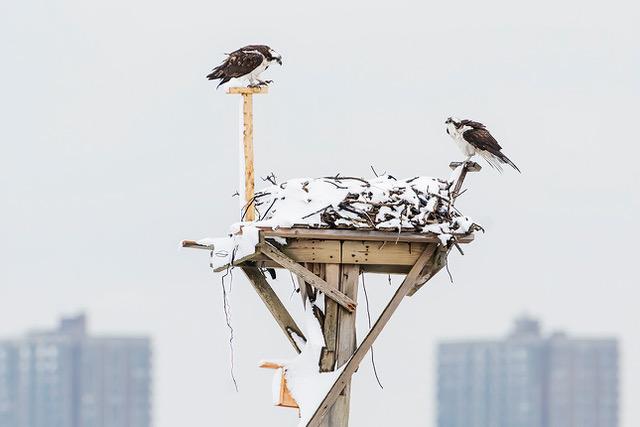
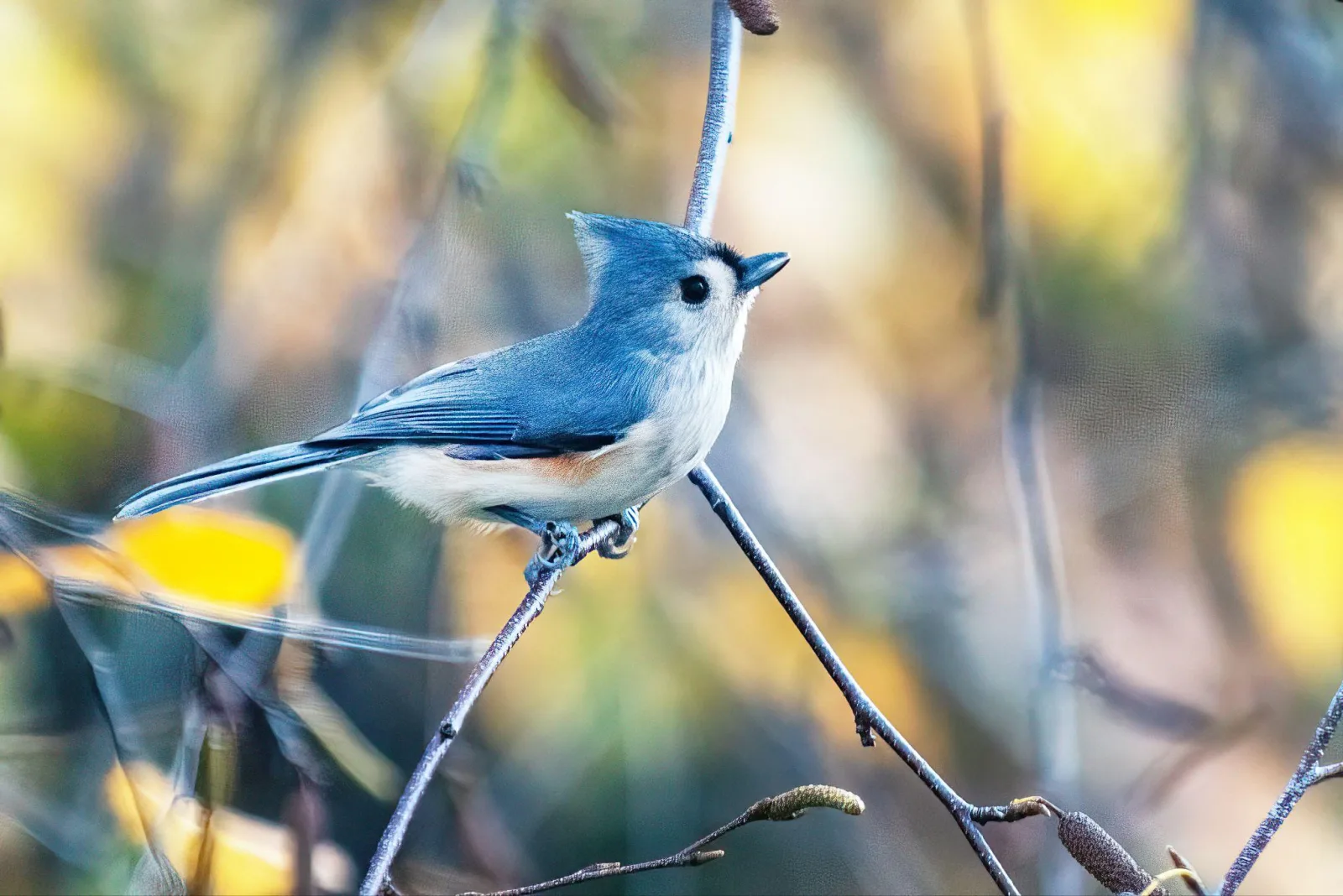
We still tend to assume that if we want to experience something truly wild, we have to leave the city. We head upstate, drive to the mountains, or fly somewhere remote. We go to beaches. But, we have them here. We go on birdwatching trips. But, there’s countless even right in Central Park. We book our next big dive trip. But, believe it or not, you can dive in our New York waters. Experiencing nature in New York can be as simple as taking the ferry and watching for birds, walking a shoreline at low tide to see what's living between the rocks, looking for seals in winter, kayaking through Jamaica Bay, fishing for striped bass, or watching an osprey dive into the water and emerge with breakfast. We can do all the things we travel far for RIGHT HERE, in our own home.
There is something powerful about discovering that nature isn't somewhere else, because once you start looking, the city changes. A bridge isn't just moving cars; it can also be a nesting habitat. A patch of marsh isn't empty land; it's a nursery. The harbor isn't simply the space between boroughs; it's an interconnected ecosystem moving with tides, migrations, seasons, and millions of living things.
Oysters are part of that story, of course. An oyster is far more than just a restaurant menu item. An appetizer. Oyster reefs create physical structure underwater, giving fish and other organisms places to feed, live and grow. Historically, those reefs helped form the foundation of the harbor ecosystem. Bringing them back is one part of a much larger effort to make room for nature in a city that has spent centuries building over it.
Restoring the wild of New York does not mean trying to turn the city back into what existed 400 years ago, as that’s not going to happen. And we shouldn’t expect or want it to. New York is New York. Ferries need to run, ships need to move, people need places to live, and buildings aren't going anywhere. The more interesting opportunity is to stop treating cities and nature as opposites. A working harbor can also be a thriving estuary. Shorelines can protect communities while creating habitat. Students can learn marine biology by stepping onto the water outside their school. Wildlife can thrive alongside one of the densest cities in America. And New Yorkers can include wildlife and nature into our culture we’re so proud of! The one people travel far and wide to experience. We can put nature on the tourism map. We can include nature in more of our everyday lives.
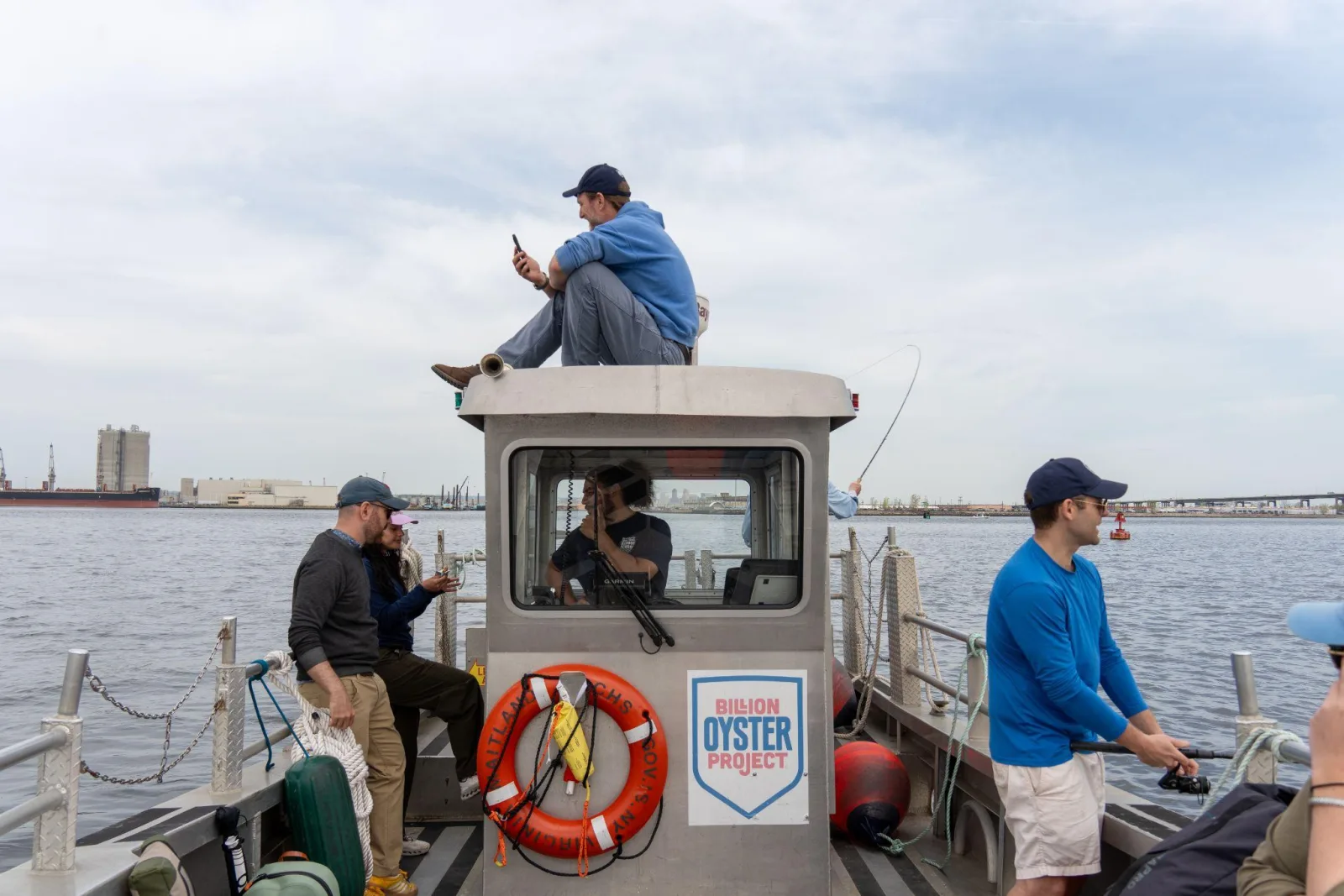
That possibility starts with paying attention. We need more scientists, photographers, filmmakers, educators, naturalists, and just New Yorkers generally documenting and sharing what they see. Not because everyone needs to become a marine biologist or birder, but because seeing something changes your relationship to it. When you know a whale can pass through the waters outside your apartment, or a peregrine falcon can be living above your commute, the city starts to feel different. Its green and blue spaces take on a whole new meaning. And the way we show up and interact with it, certainly, changes.
You don't have to wait to notice it on your own, either. Spend a morning on Governors Island sorting oyster shell, and you'll never look at the Harbor the same way again.
Perhaps that is where restoration really begins. It starts by recognizing that nature is not gone, and it is not somewhere else. It is already living alongside us, often in places we have stopped looking.
New York is still wild. We just need to look closer.
